
Introduction: Defining the 9x Phenomenon
In retrospect, the "9x Odia Movie" phenomenon defies a binary judgment. It was not the golden age of Odia cinema; it was the . It sacrificed nuance for reach, subtlety for spectacle, and realism for exaggerated heroism. But in doing so, it achieved something no film board or government subsidy could: it recreated a mass audience. It made watching an Odia film on a Sunday afternoon a cool, family activity again. For every critic who laments the loss of Satyajit Ray-like subtlety in Ollywood, there is a cable operator in Rourkela or Berhampur who will testify that 9x Tashan saved his business. Ultimately, the 9x Odia movie was not art; it was adrenaline. And for a dying industry, adrenaline was exactly the prescription it needed to survive until the next, more evolved renaissance.
To understand the impact of 9x, one must understand the crisis of the late 2000s. Prior to 2011, Ollywood was facing extinction. Theatres were converting to multiplexes showing Hindi and English blockbusters. The rise of satellite television and piracy had decimated single-screen revenues. Odia films produced in this period, like Ae Mita Mo Akhire Dekha (2003) or To Bina Mo Kaha Gali (2005), relied on a dying formula of melodrama and simplistic morality. The industry lacked a "mass entertainer"—a film that could compete with the spectacle of a Salman Khan or Allu Arjun film. Distribution was fragmented, and most films failed to recover their meager budgets. It was into this void that the 9x network stepped, not as a producer, but as a powerful aggregator and tastemaker.
In the landscape of Indian regional cinema, Odia films (colloquially known as Ollywood) have often oscillated between periods of stark commercial drought and sudden bursts of cultural vibrancy. While the Golden Era of Glauber Senapati and Prashanta Nanda is well-documented, the early 2010s marked a peculiar, technologically driven renaissance. At the heart of this shift was a television channel: , later rebranded as 9x Odia . The phrase "9x Odia Movie" does not refer to a specific film but to a curated, high-octane genre of cinema that the channel popularized—films characterized by mass appeal, loud melodrama, stylized violence, folk fusion music, and the superstar persona of Babushan (Sabyasachi Mishra) . This essay argues that the 9x era was not merely a programming block but a strategic industrial intervention that revived Odia cinema’s dying theatrical economy, defined its modern commercial template, and created a lasting nostalgia for Millennial Odia audiences.
A critical pillar of the 9x Odia movie success was its music. The composer duo and Malay Mishra (often working with lyricist Nirmala Nayak) created a new soundscape—a fusion of Dalkhai (folk) rhythm with electronic bass drops. Tracks like "Gori Gori Gori" from Balunga Toka or "Chandini Raate" from Mu Eka Tumara were not just songs; they were anthems. They dominated Choreographer-turned-director dance reality shows, wedding receptions, and college festivals across Odisha. The 9x era proved that a film’s music video, aggressively promoted on the channel, could single-handedly drive theatrical footfall. For a brief period, Odia film songs outranked Bhajan and Bollywood tracks on the state’s FM radio charts.
No discussion of "9x Odia Movie" is complete without . While actors like Anubhav Mohanty and Arindam Roy had their moments, Babushan became the poster child of the 9x aesthetic. His films— Tu Mo Love Story (2012), Lekhu Mithai Mora Katha (2013)—perfectly encapsulated the channel’s formula: a hero who could dance with urban swagger, cry with rustic sincerity, and smash ten villains with physics-defying punches. Babushan’s body language, complete with tilted sunglasses, flying shirts, and dialogue delivery that mixed standard Odia with a colloquial, almost street-smart slang, resonated with Odisha’s small-town youth. 9x Tashan turned Babushan into a demi-god, and in return, Babushan’s films delivered the channel’s highest TRPs.





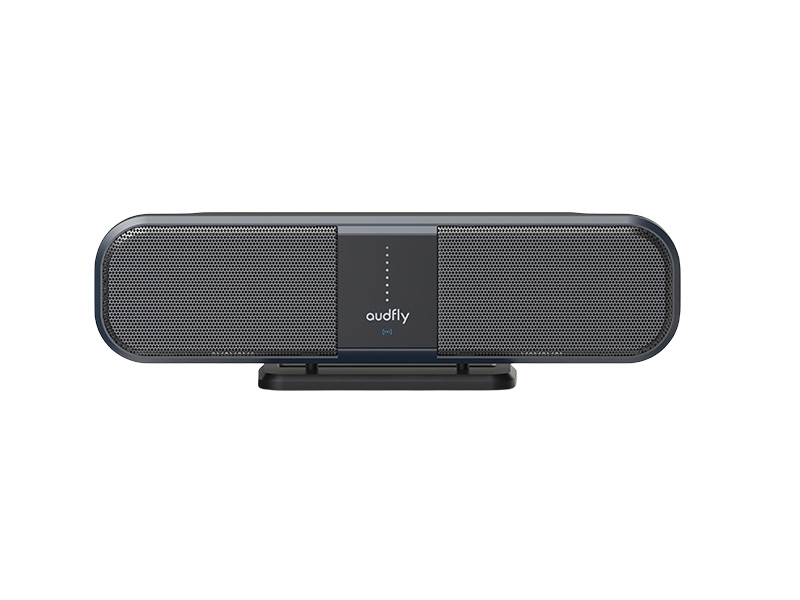

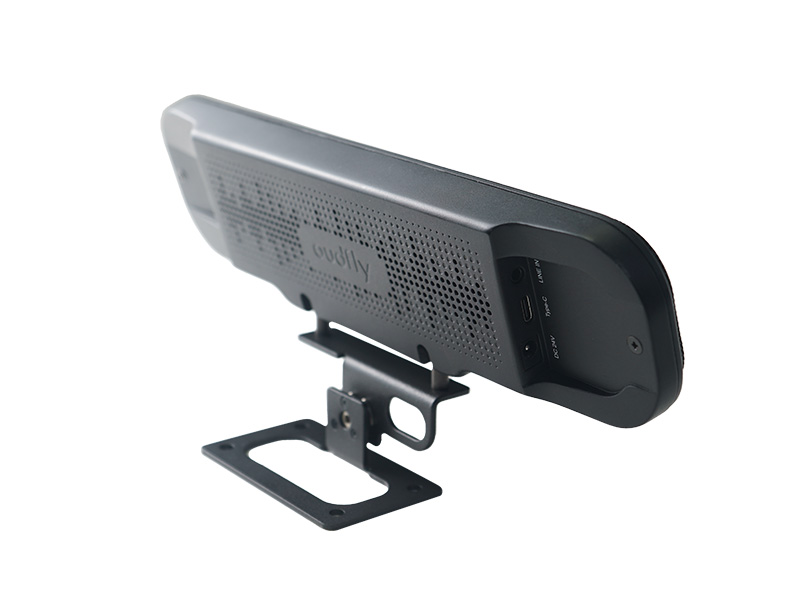

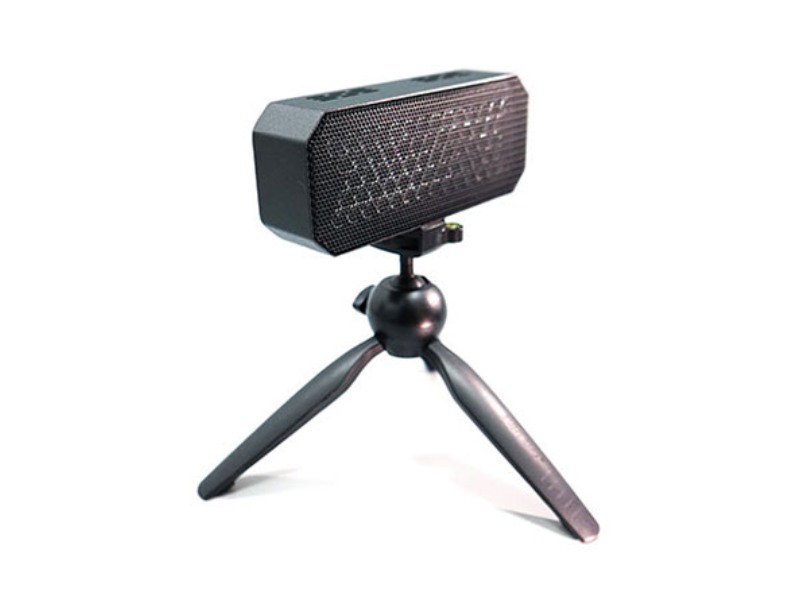
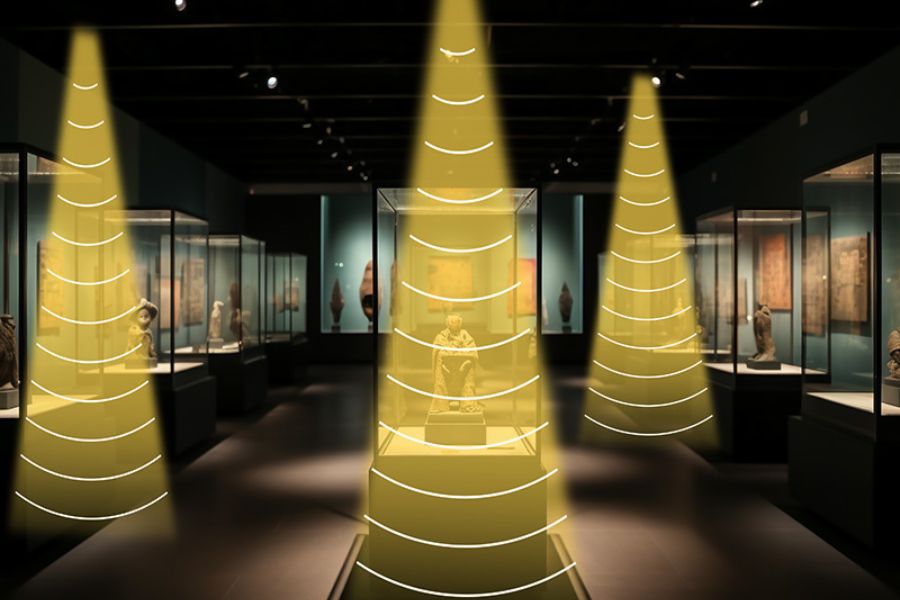
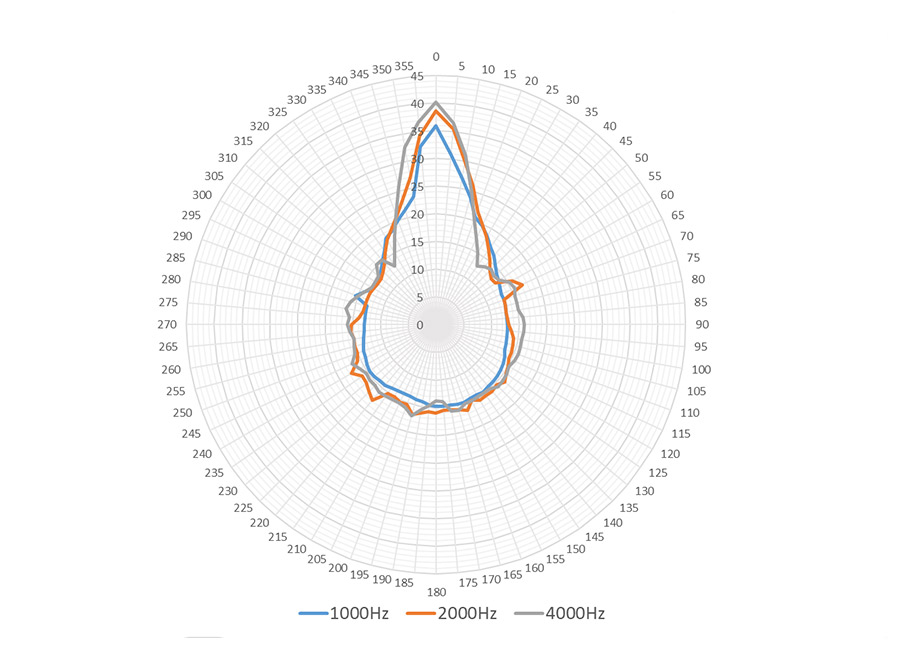
Audfly Directional Speaker X2 leverages exclusive patented directional sound technology to deliver sound as precisely as a beam of light, ensuring that audio is transmitted clearly to the intended area without causing disturbances to the surrounding environment. Designed specifically for commercial applications, the X2 is an ideal solution for small exhibitions and quiet indoor spaces where sound zoning is essential. Its ability to provide focused audio without spilling into other areas makes it perfect for creating immersive experiences in business settings, catering to environments that demand clear and unobtrusive sound delivery.
Introduction: Defining the 9x Phenomenon 9x Odia Movie
In retrospect, the "9x Odia Movie" phenomenon defies a binary judgment. It was not the golden age of Odia cinema; it was the . It sacrificed nuance for reach, subtlety for spectacle, and realism for exaggerated heroism. But in doing so, it achieved something no film board or government subsidy could: it recreated a mass audience. It made watching an Odia film on a Sunday afternoon a cool, family activity again. For every critic who laments the loss of Satyajit Ray-like subtlety in Ollywood, there is a cable operator in Rourkela or Berhampur who will testify that 9x Tashan saved his business. Ultimately, the 9x Odia movie was not art; it was adrenaline. And for a dying industry, adrenaline was exactly the prescription it needed to survive until the next, more evolved renaissance. Introduction: Defining the 9x Phenomenon In retrospect, the
To understand the impact of 9x, one must understand the crisis of the late 2000s. Prior to 2011, Ollywood was facing extinction. Theatres were converting to multiplexes showing Hindi and English blockbusters. The rise of satellite television and piracy had decimated single-screen revenues. Odia films produced in this period, like Ae Mita Mo Akhire Dekha (2003) or To Bina Mo Kaha Gali (2005), relied on a dying formula of melodrama and simplistic morality. The industry lacked a "mass entertainer"—a film that could compete with the spectacle of a Salman Khan or Allu Arjun film. Distribution was fragmented, and most films failed to recover their meager budgets. It was into this void that the 9x network stepped, not as a producer, but as a powerful aggregator and tastemaker. But in doing so, it achieved something no
In the landscape of Indian regional cinema, Odia films (colloquially known as Ollywood) have often oscillated between periods of stark commercial drought and sudden bursts of cultural vibrancy. While the Golden Era of Glauber Senapati and Prashanta Nanda is well-documented, the early 2010s marked a peculiar, technologically driven renaissance. At the heart of this shift was a television channel: , later rebranded as 9x Odia . The phrase "9x Odia Movie" does not refer to a specific film but to a curated, high-octane genre of cinema that the channel popularized—films characterized by mass appeal, loud melodrama, stylized violence, folk fusion music, and the superstar persona of Babushan (Sabyasachi Mishra) . This essay argues that the 9x era was not merely a programming block but a strategic industrial intervention that revived Odia cinema’s dying theatrical economy, defined its modern commercial template, and created a lasting nostalgia for Millennial Odia audiences.
A critical pillar of the 9x Odia movie success was its music. The composer duo and Malay Mishra (often working with lyricist Nirmala Nayak) created a new soundscape—a fusion of Dalkhai (folk) rhythm with electronic bass drops. Tracks like "Gori Gori Gori" from Balunga Toka or "Chandini Raate" from Mu Eka Tumara were not just songs; they were anthems. They dominated Choreographer-turned-director dance reality shows, wedding receptions, and college festivals across Odisha. The 9x era proved that a film’s music video, aggressively promoted on the channel, could single-handedly drive theatrical footfall. For a brief period, Odia film songs outranked Bhajan and Bollywood tracks on the state’s FM radio charts.
No discussion of "9x Odia Movie" is complete without . While actors like Anubhav Mohanty and Arindam Roy had their moments, Babushan became the poster child of the 9x aesthetic. His films— Tu Mo Love Story (2012), Lekhu Mithai Mora Katha (2013)—perfectly encapsulated the channel’s formula: a hero who could dance with urban swagger, cry with rustic sincerity, and smash ten villains with physics-defying punches. Babushan’s body language, complete with tilted sunglasses, flying shirts, and dialogue delivery that mixed standard Odia with a colloquial, almost street-smart slang, resonated with Odisha’s small-town youth. 9x Tashan turned Babushan into a demi-god, and in return, Babushan’s films delivered the channel’s highest TRPs.
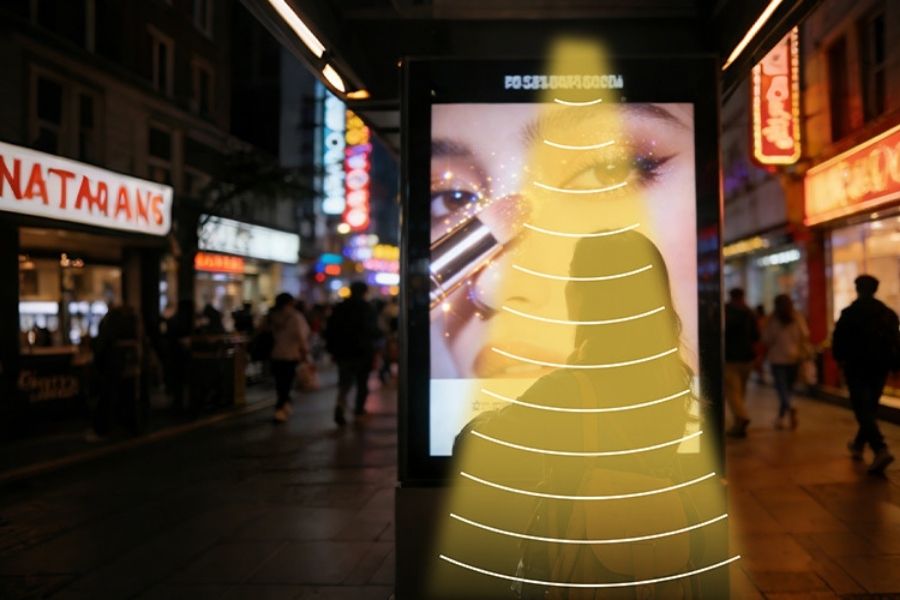
Super Directional Transmission: Create focused audio zones in certain area without disturbing anyone around you.
Applicable to Multiple Scenarios: The Model X2 caters to personal and commercial needs. It enhances audio experiences for individuals with hearing challenges, and excels in small exhibitions and quiet interior spaces where sound zoning is needed.
Flexible Install Type: Supports various installation options, including wall mounting, bracket mounting, ceiling suspension, and desktop placement, allowing customers to choose the most suitable installation method based on their needs.