 ×
×

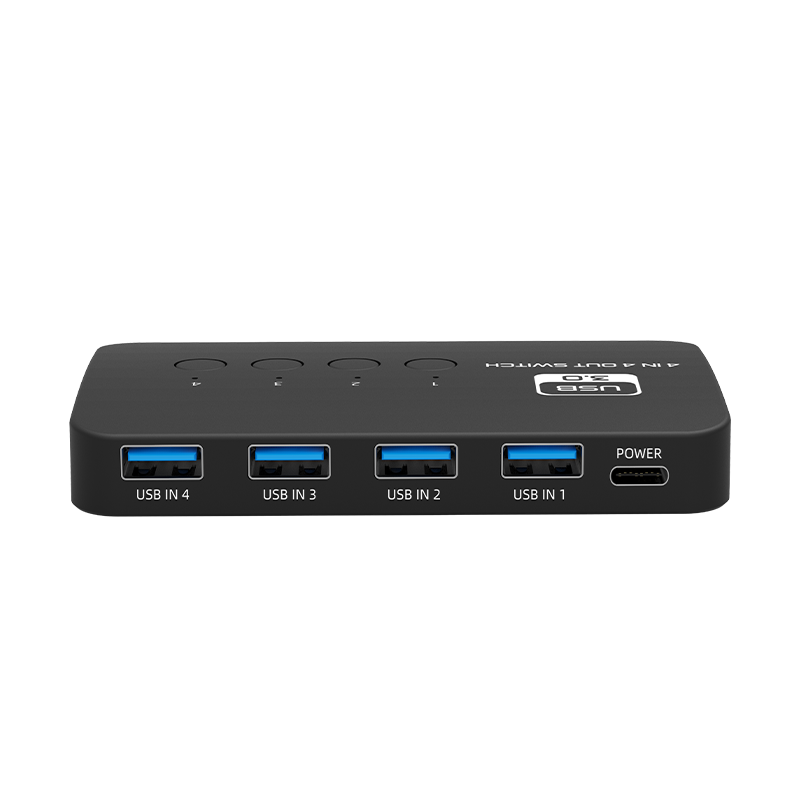
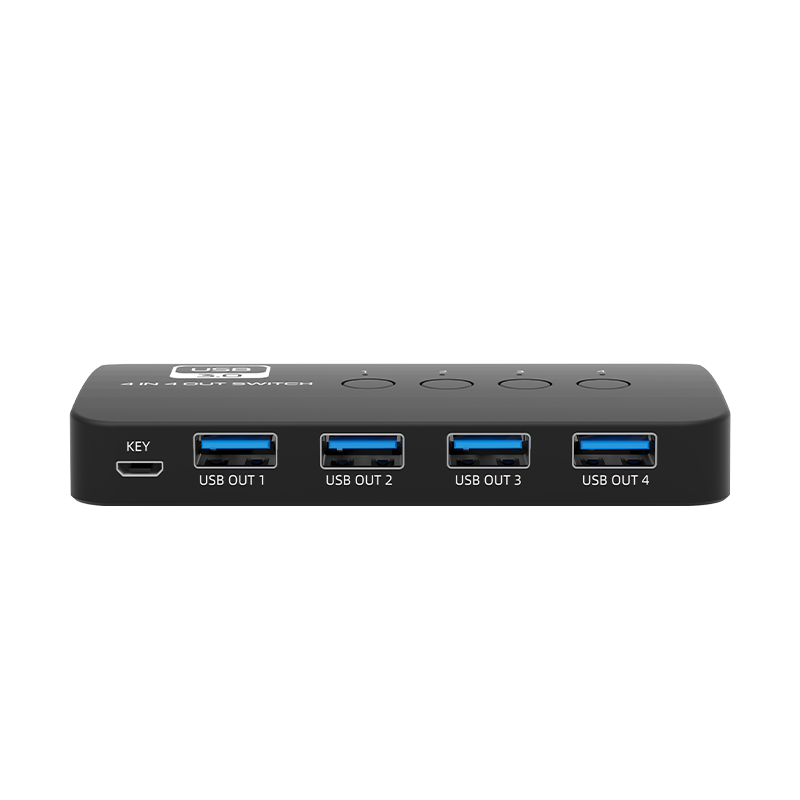



4-port manual USB 3.0 switcher is a 4 signal source sharing a set of keys and mice,U disk Printers,Bluetooth and other USB devices products Control via panel keys or desktop Device switch, the product does not need to install any driver software. Products with plug and play,Ann Convenient installation,fast response and many other advantages,greatly improve work efficiency and quality, yes A good helper for your work and life!
But think about the layers. The real Argo (2012) is a movie about making a fake movie. That fake movie, if it existed, would likely have had subtitles for its imaginary international release. By flashing that one, crude, fake subtitle, Affleck winks at the audience. He reminds us that all subtitles are a construction—a translation not just of language, but of reality. The CIA built a lie so detailed it included fake subtitles; the real movie uses real subtitles to sell that lie back to us as truth. Finally, Argo uses its subtitles most powerfully when they stop. In the climactic final minutes—the plane wheels up, the Swissair flight crosses into Turkish airspace—the Farsi dialogue on the tarmac below continues. But the film stops subtitling it. We see the revolutionary guards screaming into their radios, shaking their fists. The yellow text boxes vanish. Why?
So the next time you watch Argo , turn on the subtitles for the Farsi parts (if your version doesn’t have them burned in). Pay attention to what is translated, what is left out, and when the yellow text disappears. You’ll discover that sometimes, the most thrilling dialogue isn’t spoken. It’s read. argo 2012 subtitles
As they walk faster, the merchant’s voice follows them. The subtitles read: “Where are you going?” then “Stop.” then “I know you.” Each line of yellow text appears precisely on the beat of a footstep. The brilliance here is that the subtitles become diegetic: they are not just translating speech; they are a countdown timer. The audience reads the threat milliseconds before the characters understand the Farsi words. That tiny gap—the time between reading the subtitle and seeing the character’s reaction—creates a specific form of dramatic irony. We know the merchant is closing in before the Americans do. The subtitles have turned traitor, whispering the enemy’s plan to us alone. In most Hollywood films, foreign languages are used to signify “the other”—a monolithic, unknowable threat. Argo complicates this by using Farsi for both the revolutionary guards and the pragmatic, exhausted Iranian officials. But think about the layers
Affleck makes a crucial early choice: He does not subtitle everything. For the first few minutes, the roar of “Death to America” and “Allahu Akbar” is presented as pure, chaotic noise. The subtitles appear only when absolutely necessary for plot comprehension—a guard demanding papers, a radio announcement of the embassy takeover. This absence of subtitles mirrors the experience of the American hostages inside the embassy: they hear the anger, but the specific threats and organizational details remain a terrifying blur. The subtitles, by their selective silence, place us directly inside their fear. Argo ’s most famous suspense sequence—the market chase—relies heavily on the rhythm of its subtitle cards. When the six houseguests (the “houseguests” being the diplomats hiding at the Canadian ambassador’s residence) venture outside for a final reconnaissance before their fake film crew act, they are pursued by a suspicious carpet merchant. By flashing that one, crude, fake subtitle, Affleck
Consider the airport scene. While the American “film crew” sweats through passport control, the dialogue cuts to the stern immigration officer, Bahram (played by Ramin Kianizadeh). He speaks Farsi to his supervisor, and the subtitles read: “Their passports are fine. But their visas are wrong.” In that moment, the subtitles transform Bahram from a simple villain into a bureaucrat doing his job. He isn’t evil; he’s methodical. The subtitles humanize him.
Because the Americans are safe. The language of the enemy no longer has power over them. It has reverted to what it was at the beginning of the film: angry noise. The removal of the subtitles is a sonic and psychological sigh of relief. We don’t need to know what they’re saying anymore. They’ve lost. Most viewers will never consciously think about the subtitles in Argo . They will simply feel the tension, the pacing, and the relief. But the film’s subtitle track is a masterclass in cinematic economy. It builds suspense by delay, humanizes antagonists by clarity, and releases tension by absence. In a film about the power of a fake story to save real lives, the subtitles are the quiet narrator whispering the truth—when it matters, and only when we need to hear it.

Copyright © 2026 China Guangzhou Siying Electronic Technology Co., Ltd. All rights reserved. Privacy policy

 EN
EN

