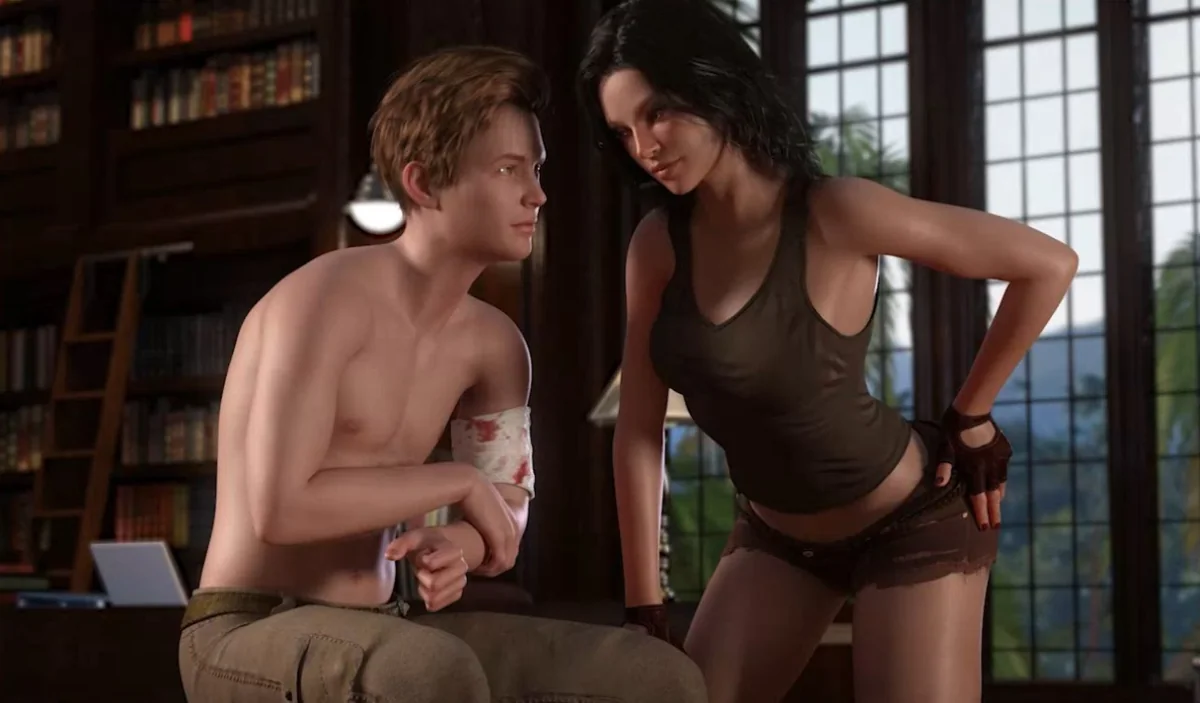
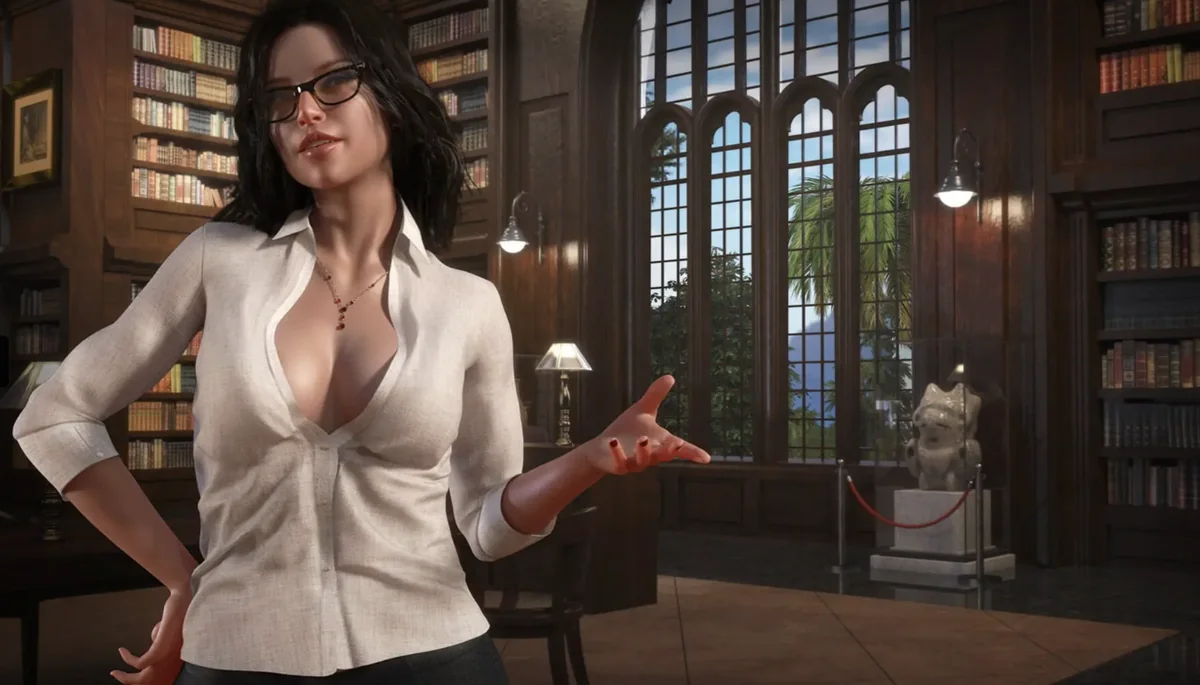
《纳迪亚之宝 (Treasure of Nadia)》主角的父亲是一位世界著名的寻宝者,却在寻找神秘宝藏时突然离世,给主角留下了一栋房子和有关宝藏的线索。而主角早就想成为一名寻宝者,于是当场休学,来到了父亲生前停留的维拉德角,踏上了寻宝之旅。
但随着和岛上居民的接触,他发现宝藏背后藏着惊天的秘密,而父亲的死也没有那么简单……

《纳迪亚之宝》(Treasure of Nadia)是一款融合了冒险、解谜与角色扮演元素的独立游戏。在这个引人入胜的故事中,玩家将扮演一名勇敢的探险家,踏上一段寻找失落宝藏的非凡旅程。
《纳迪亚之宝 (Treasure of Nadia)》主角的父亲是一位世界著名的寻宝者,却在寻找神秘宝藏时突然离世,给主角留下了一栋房子和有关宝藏的线索。而主角早就想成为一名寻宝者,于是当场休学,来到了父亲生前停留的维拉德角,踏上了寻宝之旅。
但随着和岛上居民的接触,他发现宝藏背后藏着惊天的秘密,而父亲的死也没有那么简单……
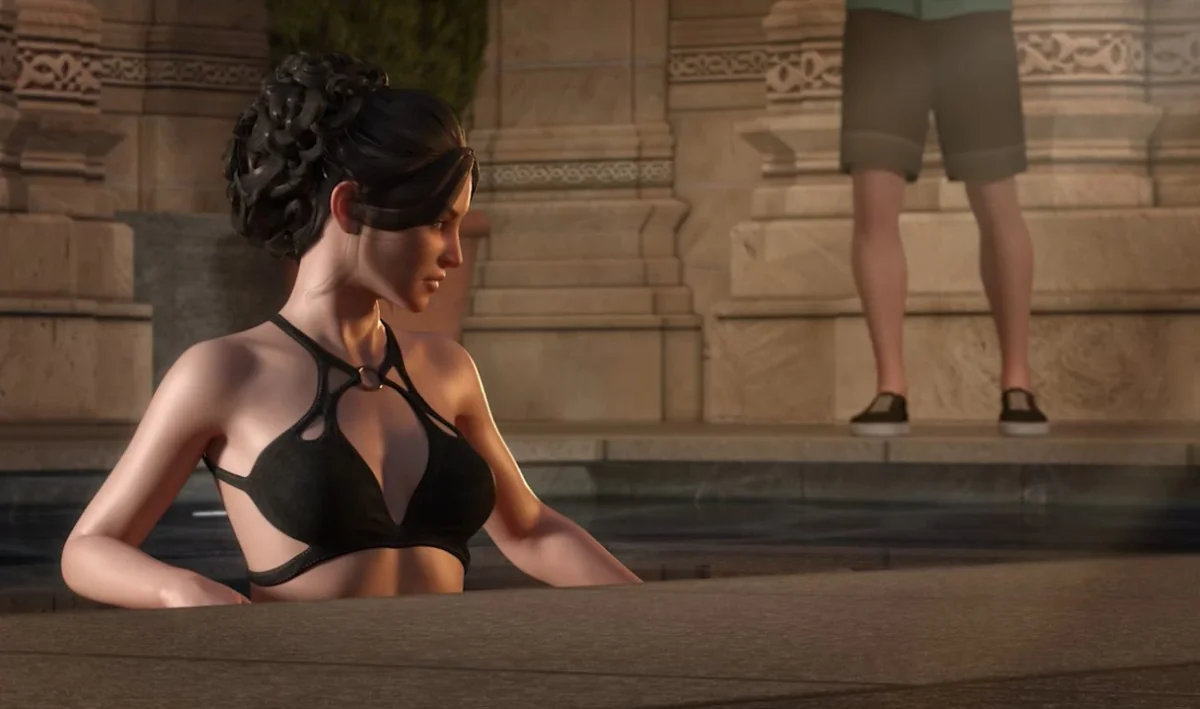
游戏中众多位性格鲜明的角色,玩家可以通过完成剧情和任务提升她们的好感度,解锁新的剧情和事件。
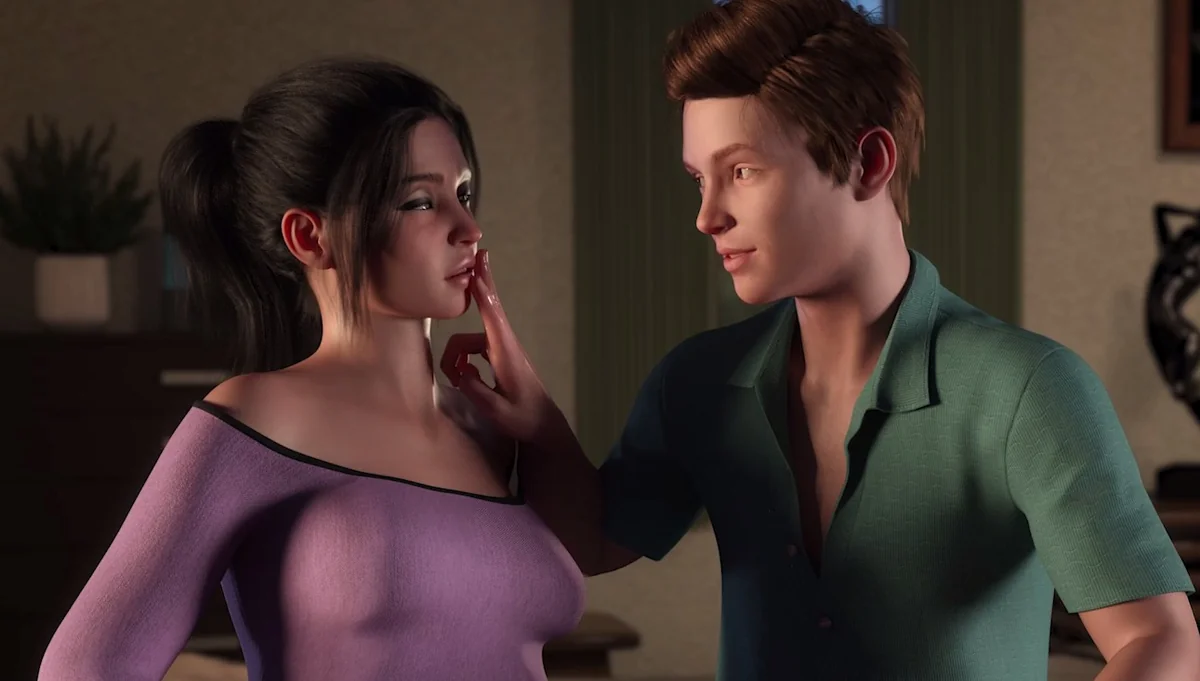
游戏世界遍布着各种谜题和机关,玩家需要运用智慧和观察力解开它们,获取关键物品和线索。

小镇建筑及其周边地区拥有广阔的地图,玩家可以自由探索各个区域,发现隐藏的宝藏和秘密。

玩家可以收集材料制作各种工具和装备,提升自己的探索能力和战斗实力。

主角
勇敢的寻宝者,为了寻找父亲留下的神秘宝藏而来到维拉德角。
重要角色之一
珍妮特的女儿
神秘的图书管理员
教堂的圣母
当地居民
神秘女性
设置修改速度为快速,开局去公园和迈克对话,点击地上的闪光点获得【石护符】。
往左走捡起宝箱钥匙,去图书馆找戴安娜卖掉护符获得金钱。
去灯塔找艾伯特获取任务,在酒吧过剧情后捡起【房间钥匙】。
与各个角色对话,完成任务提升好感度,解锁新的剧情内容。
Walt becomes a calculated strategist. He orders Gale Boetticher’s death to save Jesse, shifting from supplier to executioner. The season’s climax, “Half Measures” and “Full Measure,” sees Walt embracing the violent logic of the drug trade: “No more half measures, Walter.”
In the end, Breaking Bad is not a show about a man who makes meth. It is a show about a man who breaks his own moral code, piece by piece, until there is nothing left but the shards. And in those shards, we see our own potential for darkness reflected back. It is a tragedy because Walter White had everything he needed at the beginning: a family, a home, a job, and a future. He threw it all away not for money, but for the simple, terrifying pleasure of feeling alive. That is the final, bitter formula of Breaking Bad .
This season is a chess match between Walt and Gus Fring, the ultimate symbol of orderly evil. Walt is no longer a pawn; he is a usurper. His manipulation of Jesse against Gus is masterful and monstrous. The line “I won” after poisoning a child (Brock) to turn Jesse against Gus reveals the apotheosis of his manipulation. He has sacrificed all vestiges of decency for victory.
Walt is reactive, bumbling, and remorseful. He kills Emilio Koyama in self-defense (with phosphine gas) and is traumatized. He lets Jane Margolis die—a pivotal moment where inaction becomes action, and he prioritizes control over Jesse’s life over Jane’s survival. This is the first clear act of Heisenberg.
His final plan is elegantly simple: kill the Nazis, free Jesse (by throwing himself on him, taking a bullet), ensure his money reaches his family (via the Schwartzes), and die in a meth lab. The final shot—Walt walking through the lab, caressing a steel vat, collapsing as police swarm in—is sublime. He dies not with his family, but with his creation. The final shot of the show is not Walt’s face, but the camera pulling back from the cold, industrial equipment. He has become one with the chemistry. Breaking Bad stands as a pinnacle of “Peak TV.” It proved that serialized television could achieve the moral complexity and visual artistry of literary cinema. Its prequel, Better Call Saul , only deepened its themes, but the original series remains a singular achievement. It forces viewers to confront uncomfortable truths: that evil is banal, that potential untethered from morality is dangerous, and that the line between Mr. Chips and Scarface is thinner than we think.
Vince Gilligan’s Breaking Bad (2008-2013) is not merely a television show; it is a modern tragedy of Shakespearean proportions, meticulously constructed over five seasons. The series charts the metamorphosis of Walter White, a mild-mannered high school chemistry teacher, into the ruthless drug lord Heisenberg. More than a simple crime drama, Breaking Bad is a profound moral autopsy, examining the decay of a soul and the catastrophic ripple effects of pride, fear, and unfulfilled ambition. Viewed as a complete, serialized novel, the series executes a flawless narrative arc—from inciting incident to devastating denouement—offering a harrowing, unflinching look at the corrupting nature of power. The Inciting Incident: From Mr. Chips to Scarface The pilot episode masterfully establishes the tragic premise. Walter White is a man besieged by emasculation and quiet desperation: he works a second, humiliating job at a car wash, his genius is unrecognized, his son has cerebral palsy, and his wife is unexpectedly pregnant. The diagnosis of terminal lung cancer acts not as a catalyst for noble sacrifice (to provide for his family) but as a liberator . The news removes Walter’s fear of consequence, allowing his suppressed ego and intellect to break free.
Walt becomes a calculated strategist. He orders Gale Boetticher’s death to save Jesse, shifting from supplier to executioner. The season’s climax, “Half Measures” and “Full Measure,” sees Walt embracing the violent logic of the drug trade: “No more half measures, Walter.”
In the end, Breaking Bad is not a show about a man who makes meth. It is a show about a man who breaks his own moral code, piece by piece, until there is nothing left but the shards. And in those shards, we see our own potential for darkness reflected back. It is a tragedy because Walter White had everything he needed at the beginning: a family, a home, a job, and a future. He threw it all away not for money, but for the simple, terrifying pleasure of feeling alive. That is the final, bitter formula of Breaking Bad .
This season is a chess match between Walt and Gus Fring, the ultimate symbol of orderly evil. Walt is no longer a pawn; he is a usurper. His manipulation of Jesse against Gus is masterful and monstrous. The line “I won” after poisoning a child (Brock) to turn Jesse against Gus reveals the apotheosis of his manipulation. He has sacrificed all vestiges of decency for victory.
Walt is reactive, bumbling, and remorseful. He kills Emilio Koyama in self-defense (with phosphine gas) and is traumatized. He lets Jane Margolis die—a pivotal moment where inaction becomes action, and he prioritizes control over Jesse’s life over Jane’s survival. This is the first clear act of Heisenberg.
His final plan is elegantly simple: kill the Nazis, free Jesse (by throwing himself on him, taking a bullet), ensure his money reaches his family (via the Schwartzes), and die in a meth lab. The final shot—Walt walking through the lab, caressing a steel vat, collapsing as police swarm in—is sublime. He dies not with his family, but with his creation. The final shot of the show is not Walt’s face, but the camera pulling back from the cold, industrial equipment. He has become one with the chemistry. Breaking Bad stands as a pinnacle of “Peak TV.” It proved that serialized television could achieve the moral complexity and visual artistry of literary cinema. Its prequel, Better Call Saul , only deepened its themes, but the original series remains a singular achievement. It forces viewers to confront uncomfortable truths: that evil is banal, that potential untethered from morality is dangerous, and that the line between Mr. Chips and Scarface is thinner than we think.
Vince Gilligan’s Breaking Bad (2008-2013) is not merely a television show; it is a modern tragedy of Shakespearean proportions, meticulously constructed over five seasons. The series charts the metamorphosis of Walter White, a mild-mannered high school chemistry teacher, into the ruthless drug lord Heisenberg. More than a simple crime drama, Breaking Bad is a profound moral autopsy, examining the decay of a soul and the catastrophic ripple effects of pride, fear, and unfulfilled ambition. Viewed as a complete, serialized novel, the series executes a flawless narrative arc—from inciting incident to devastating denouement—offering a harrowing, unflinching look at the corrupting nature of power. The Inciting Incident: From Mr. Chips to Scarface The pilot episode masterfully establishes the tragic premise. Walter White is a man besieged by emasculation and quiet desperation: he works a second, humiliating job at a car wash, his genius is unrecognized, his son has cerebral palsy, and his wife is unexpectedly pregnant. The diagnosis of terminal lung cancer acts not as a catalyst for noble sacrifice (to provide for his family) but as a liberator . The news removes Walter’s fear of consequence, allowing his suppressed ego and intellect to break free.
游戏采用分支剧情设计,玩家的选择将直接影响故事走向。主线剧情围绕寻找父亲留下的宝藏展开,而支线剧情则深入探索每个角色的背景故事,形成丰富的叙事网络。
游戏的解谜系统设计精妙,从简单的物品搜寻到复杂的机关破解,每个谜题都与剧情紧密相连。玩家需要运用逻辑思维、观察能力和创造性思考来解决各种挑战。
游戏包含完整的物品制作系统,玩家可以收集各种材料,在神殿中合成强大的工具和装备。从基础的工具制作到高级的魔法道具合成,系统深度十足。
从不同角度深入了解《迪亚纳之宝》的丰富世界
所有稀有护符、宝石和特殊道具的获取方法
游戏中最具挑战性的解谜关卡完整攻略
如何与所有角色建立最佳关系并解锁隐藏剧情 Walt becomes a calculated strategist
针对不同配置的最佳游戏设置建议
PC版与Android版的功能差异和体验对比
从初版到v71021的完整更新记录和改进 It is a show about a man who
资深玩家的游戏技巧和独特发现
玩家创作的精美同人图片和故事
社区中最受关注的游戏话题和理论
开始您的寻宝冒险之旅
系统要求: Windows 7/8/10/11, 4GB RAM, 2GB 可用空间
文件大小: 约 1.2GB