Features Preview
See it in action.
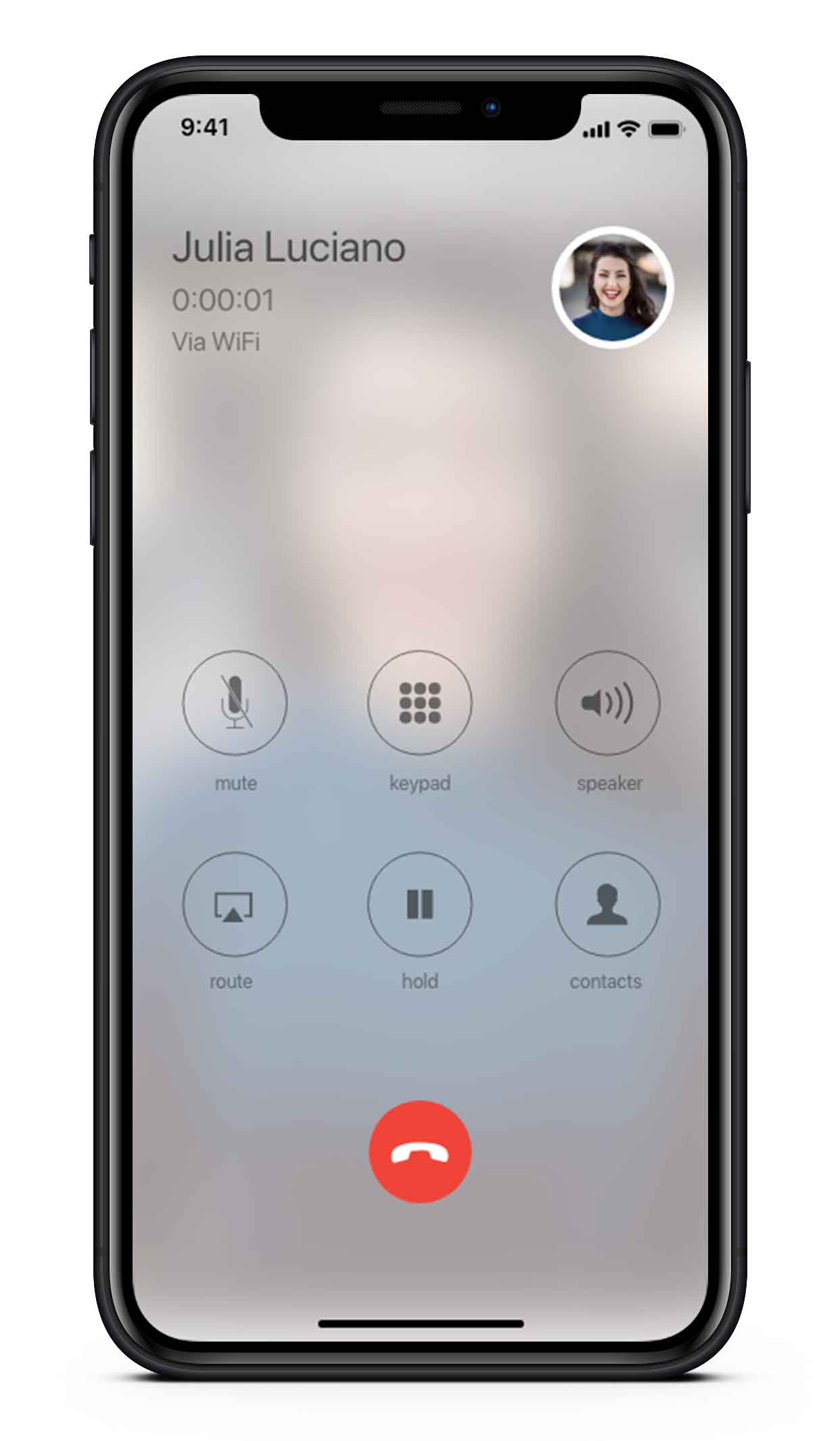
Call anyone, anywhere
No cell minutes used
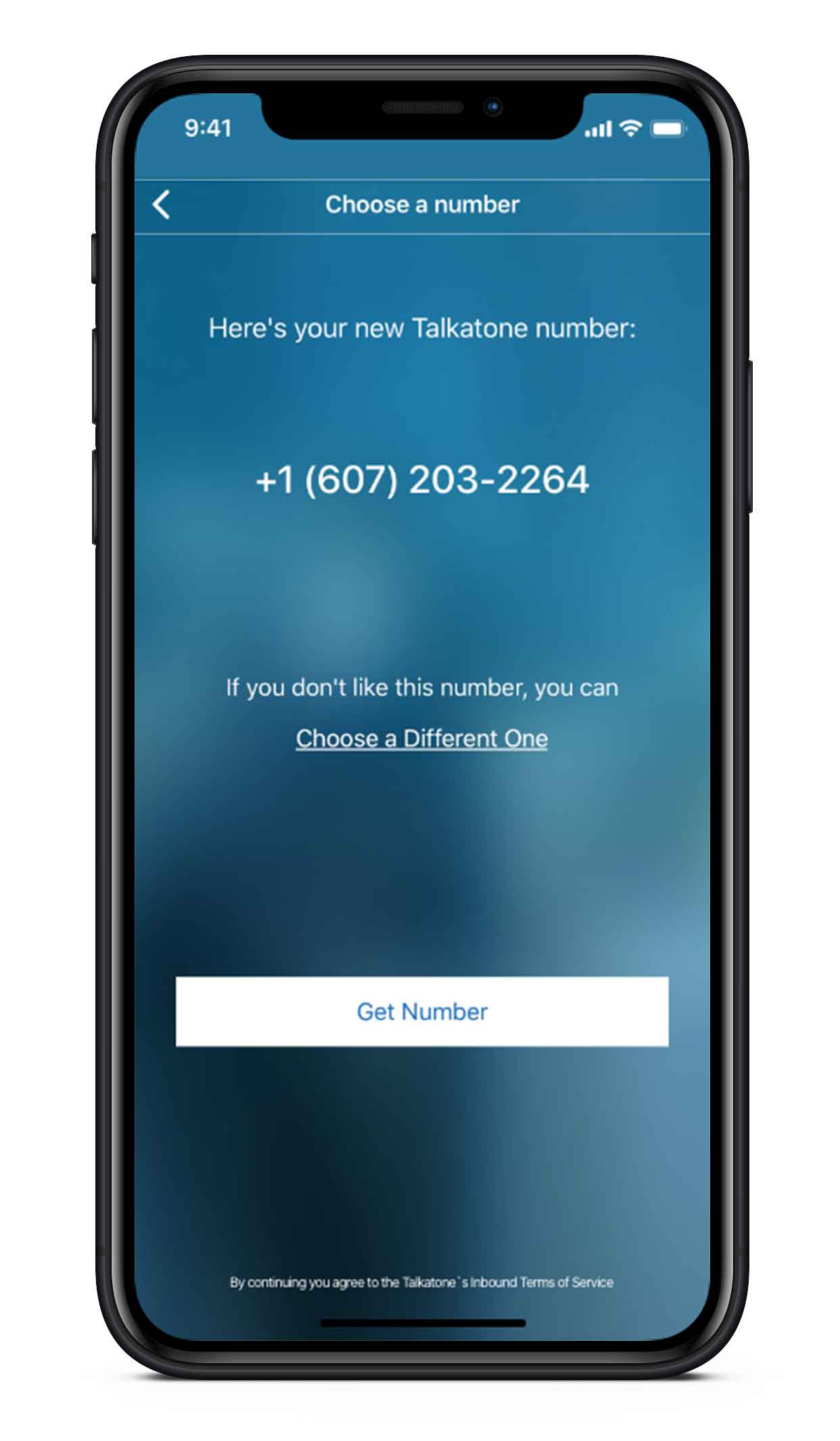
Get a US phone number
No charges, no fees
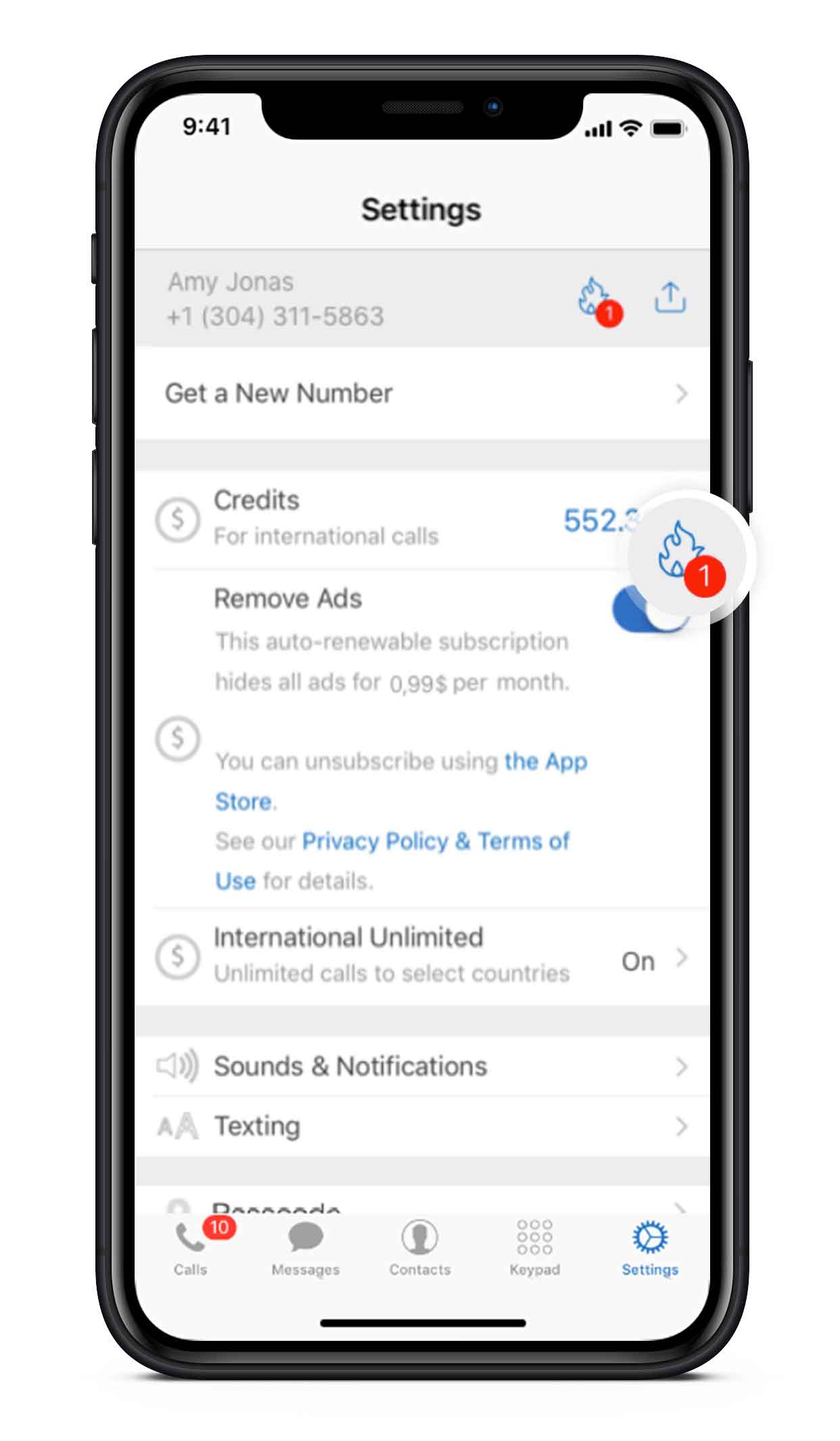
Change your number anytime
And keep your message and call history
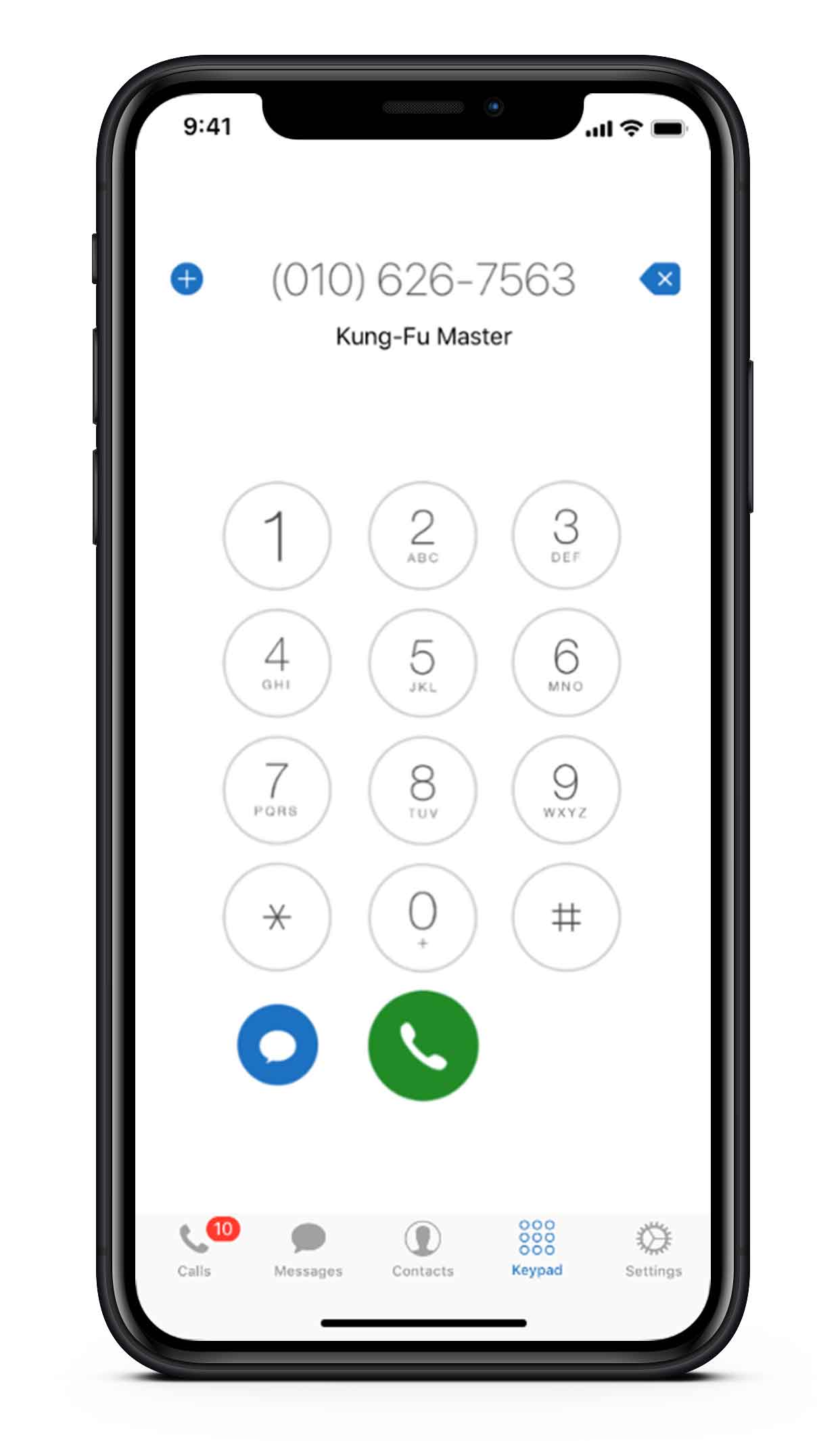
Calls and texts
To most US numbers
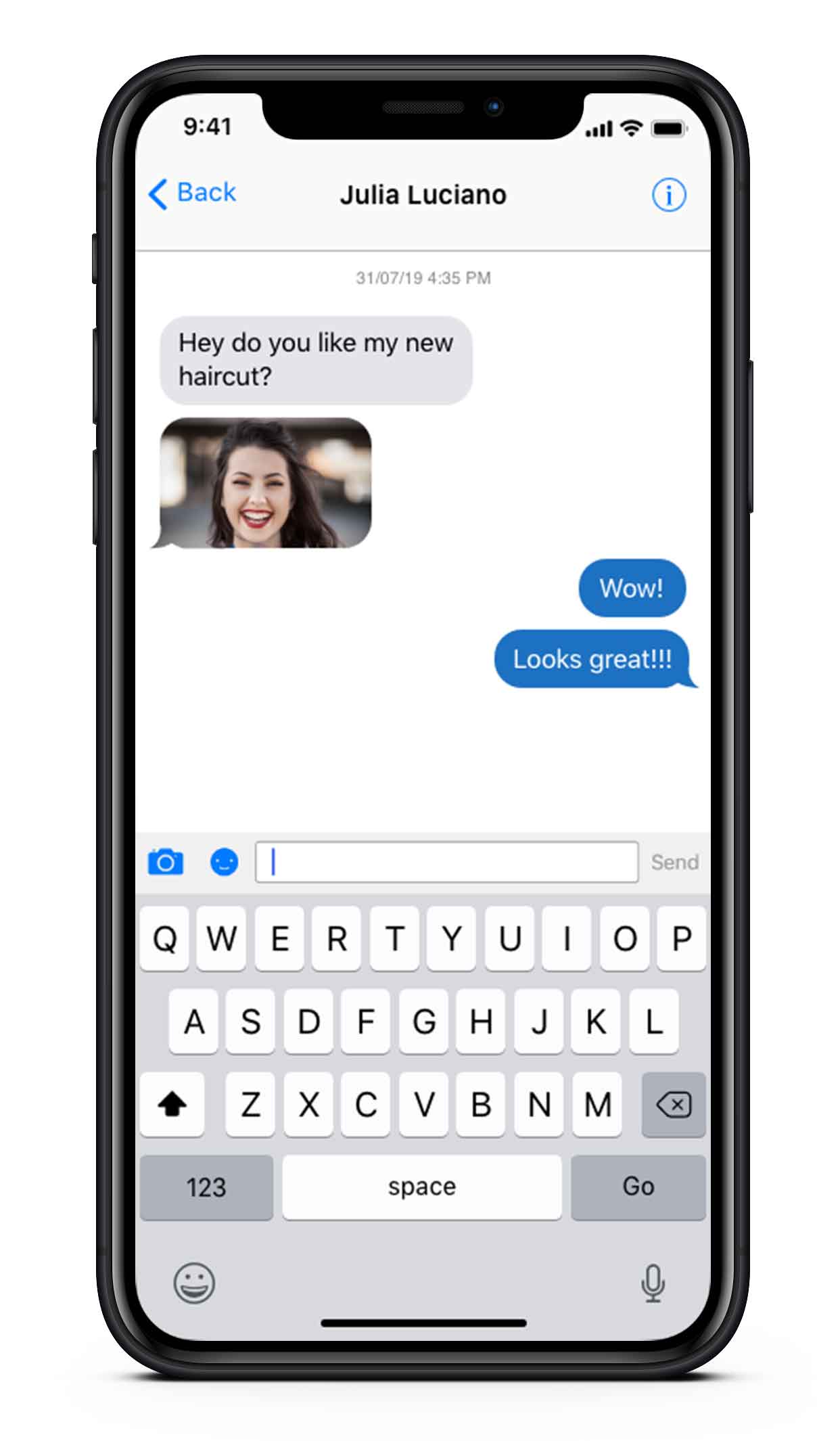
The calling app that let’s you choose your own free U.S. phone number. Make and receive free texts and calls to most U.S. phone numbers, including landlines.
Unlimited texting to U.S. phone numbers.
Call and text friends and family with Talkatone via WiFi or cell data; no cell minutes required. Turn your iPod or iPad into a phone (also available for Android).
Take your iPhone, iPad or iPod with you when you travel. Call and text U.S. phone numbers on WiFi without paying outrageous roaming charges.
Connect with your friends and family. Truly unlimited free Talkatone-to-Talkatone calls and texts anywhere in the world, including picture messaging.
Mader's decision to appear in Playboy contributes to a broader conversation about the evolving definitions of empowerment, feminism, and personal freedom. It challenges the notion that there is a one-size-fits-all approach to feminism, instead embracing a more inclusive understanding that respects individual choices. This conversation is crucial in an era where the media landscape is increasingly scrutinized for its portrayal of women and its impact on societal attitudes.
However, for Mader and her supporters, her decision underscored a crucial point: the power of choice. In a society that often seeks to dictate how women should look, behave, and express themselves, Mader's bold move served as a reminder that women are the architects of their destinies. Her appearance in Playboy was not just about a photoshoot; it was a declaration of independence, a statement that women can make their own decisions about their bodies and lives. Fotos Malu Mader Nua Na Playboy
The decision to pose for Playboy, a magazine that has been a cultural phenomenon for decades, albeit with a controversial reputation regarding its portrayal of women, was not taken lightly by Mader. In making this choice, she joined a lineage of celebrities and models who have used the platform to express their autonomy over their bodies and to challenge societal norms. For Mader, this photoshoot was not merely about showcasing her physical appearance but about making a statement regarding self-expression and empowerment. Mader's decision to appear in Playboy contributes to
In a world where the lines between personal expression and public perception are constantly blurred, celebrities often find themselves at the forefront of conversations about empowerment, body autonomy, and the objectification of women. One such figure who has historically navigated these complex discussions with a blend of resilience and grace is Malu Mader, a Brazilian model and actress known for her vibrant personality and unapologetic stance on body positivity. Recently, Mader made headlines with her appearance in Playboy, a move that sparked a myriad of reactions and brought to the fore questions about female empowerment, personal choice, and the evolving landscape of media and journalism. However, for Mader and her supporters, her decision
Malu Mader's appearance in Playboy is more than a celebrity news headline; it's a chapter in the ongoing dialogue about empowerment, autonomy, and the representation of women in media. It serves as a powerful reminder that, at the heart of discussions about feminism and empowerment, are the choices individuals make about their own bodies and lives. As we navigate the complexities of modern society, stories like Mader's encourage us to think critically about freedom, expression, and the evolving landscape of what it means to be empowered.
The discourse surrounding Malu Mader's Playboy appearance also highlights the importance of nuanced media representation. As society progresses, there is a growing demand for media outlets to portray women in a more complex and multifaceted light, moving beyond stereotypes and objectification. Mader's photoshoot, and the conversations it sparked, are part of this shift towards a more inclusive and respectful representation.
In embracing her decision and standing as a figure of resilience and self-assurance, Malu Mader not only reaffirms her place as a role model for body positivity but also contributes to a larger conversation that will continue to shape our understanding of empowerment and personal choice.
Talkatone is the best option to call and text for free to and from most US and Canadian phone numbers. By contrast, Skype, Viber and Facetime are only free if the recipient has also already installed the app. Download the app on App Store or Google play.