Ultimate Cricket tracking and scoring app for all cricketers.
Track and improve your game with the Vtrakit app right from your
smartphone or tablet. Bring your game to the next level with
Vtrakit!
Vtrakit is about helping Cricketers bring
together their passion, practice and performance.

Vtrakit’s mobile-based app is designed to be user friendly so that anyone can start using it to score games, capture cricketing stats and practice sessions. You could be playing village Cricket, gully Cricket, club Cricket or professional Cricket - you can use Vtrakit to improve your performance, elevate your game and experience Cricket in a whole new way.
Vtrakit App is full of unique features that you can explore to transform your cricketing experience. In addition to scoring games and keeping track of your Cricket stats, you can also connect to other players, capture your practice sessions and create tournaments. Watch the video to get a sneak preview of the Vtrakit App.

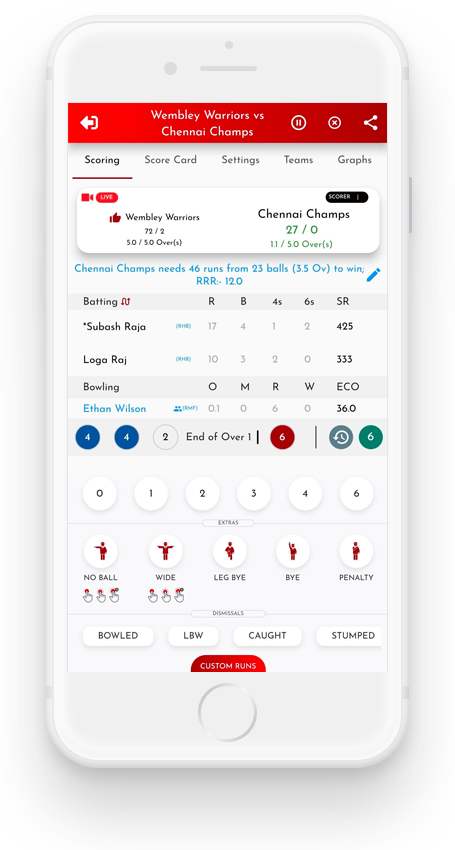
Live capture ball-by-ball score of your match with the Vtrakit App & download your scorecard in PDF

Organize tournaments, schedule matches, see tournament stats, points table and much more

Scoring no longer has to fall to one person, transfer scoring to another user during a match within seconds

Relive your shots and deliveries with Pitch Map and Wagon Wheel

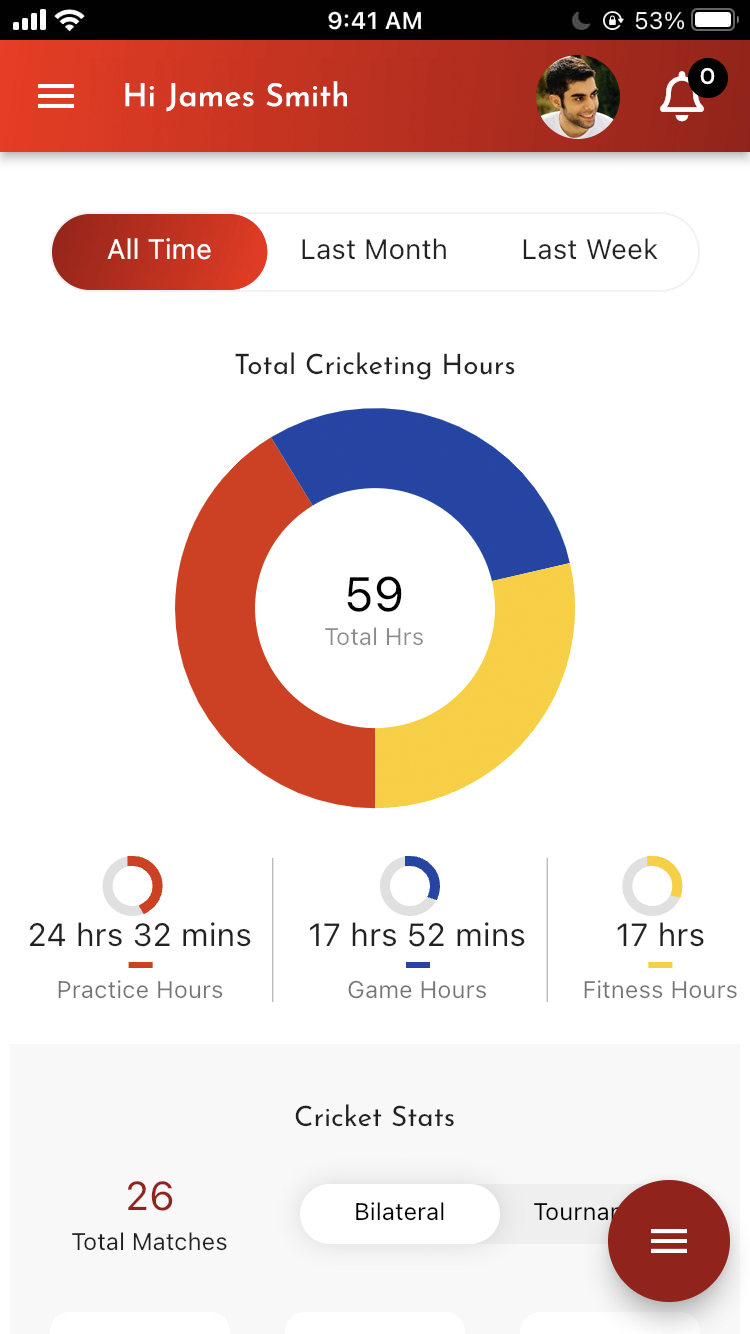
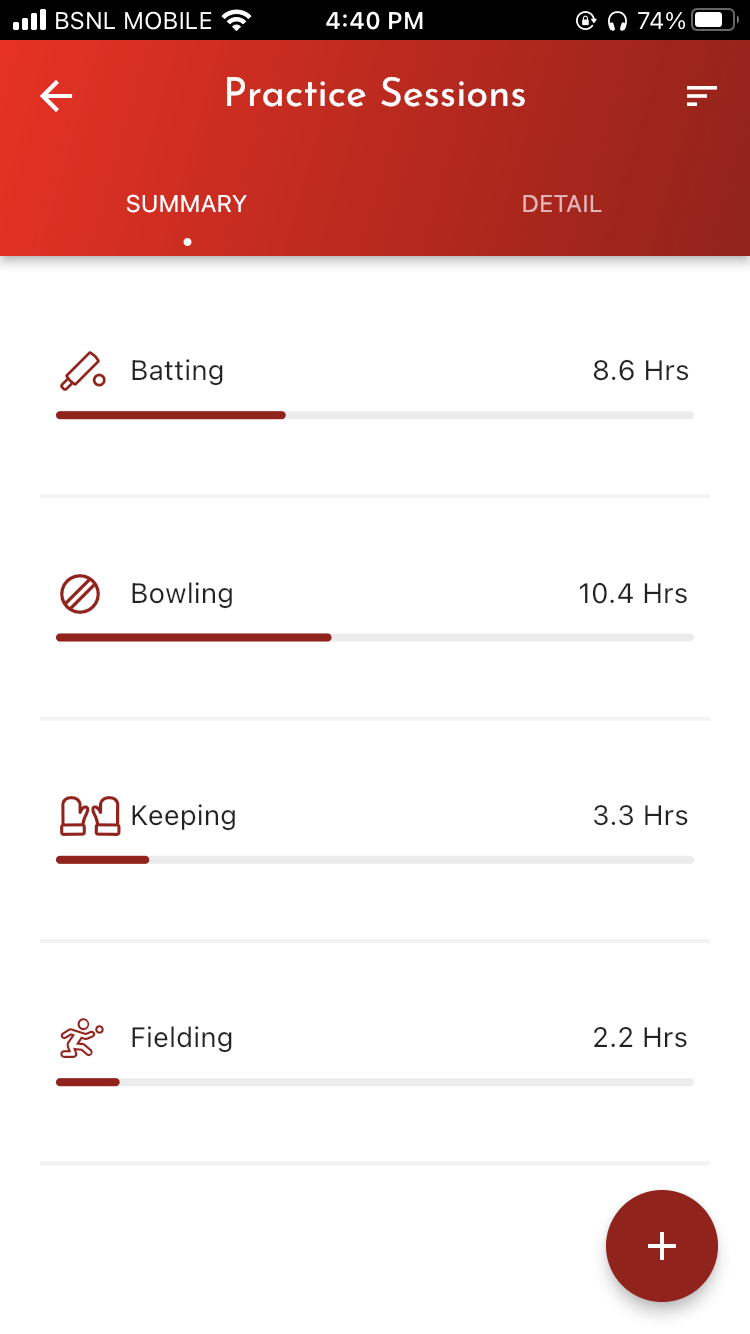
Track all your practice hours (batting, bowling, fielding and wicket keeping) by capturing it

You can log your fitness hours and see your progress in real-time.

One of the best apps for cricket scoring. Recent updates make the app more valuable specially the offline scoring feature. Really loving the User experience and overall performance so far. Good luck to the team for future releases.

Great scoring app. Like the community section where I can follow my favourite local cricketers. League organisers would love the tournament section.

Simply simple, yet brilliant!! Came across this app by chance and am totally amazed at the features on it. Great job you guys! Keep rocking.. PS: The scoring system in the app is my fav! Damn cool stuff!

A Masterpiece. This app is exceptionally good. If you love cricket, you'll definitely love this app. I have been waiting for a proper cricket scoring app for many years. and this fulfilled my wishes in every way possible.

This is a one stop destination for any cricket lover out there, it's got an easy to use UI, amazing features and overall an enhanced cricketing experience. My personal favorite is how it allows you to capture your practice sessions and witness your growth, pushing you to do better everyday!

Really GREAT Cricket scoring app ever seen, It is fascinating to do scoring using this app...ability to download scorecard in pdf format for every match is mindblowing. Kudos to the entire team.
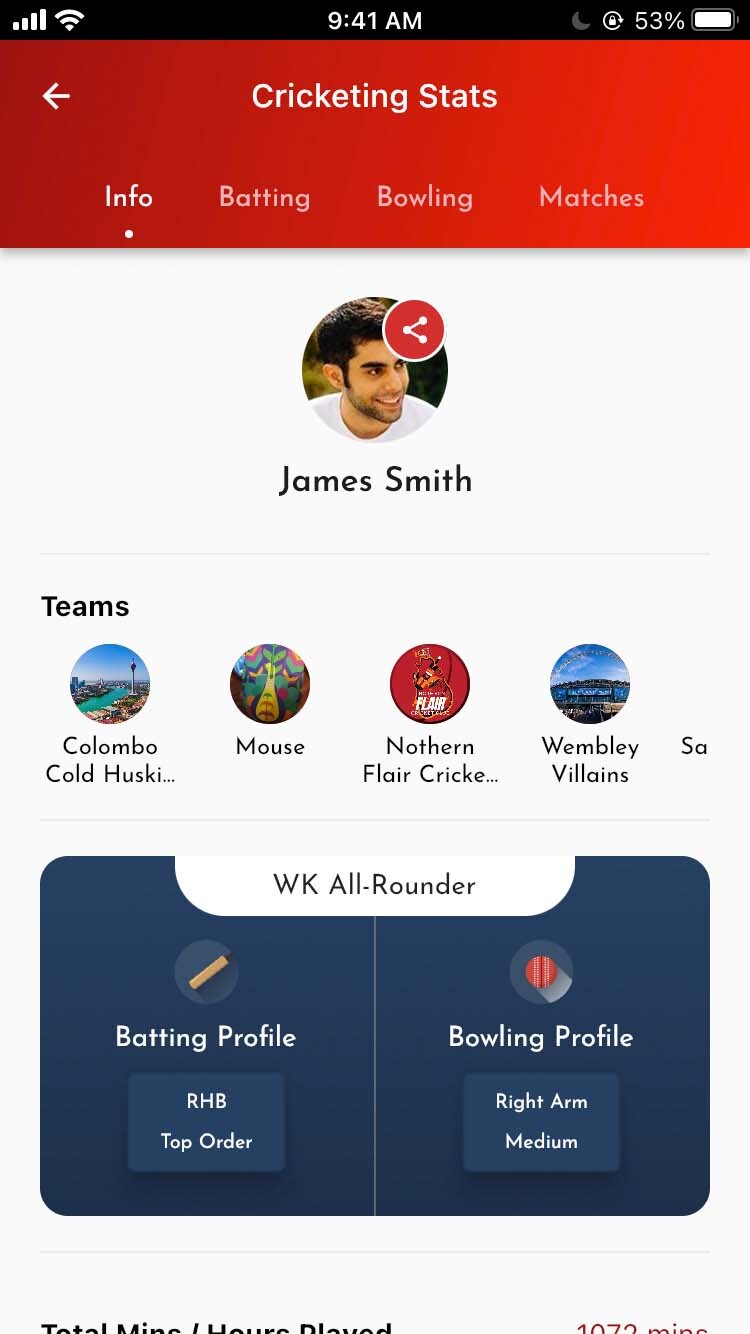
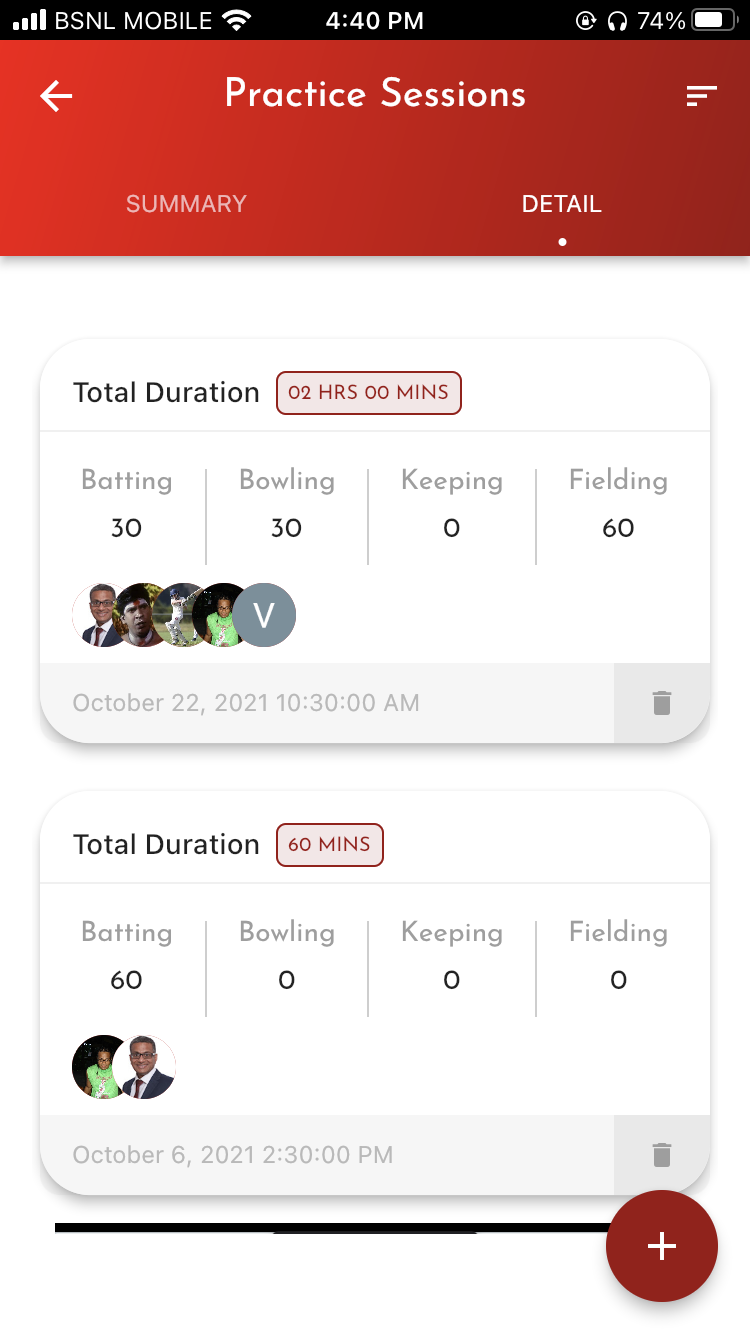
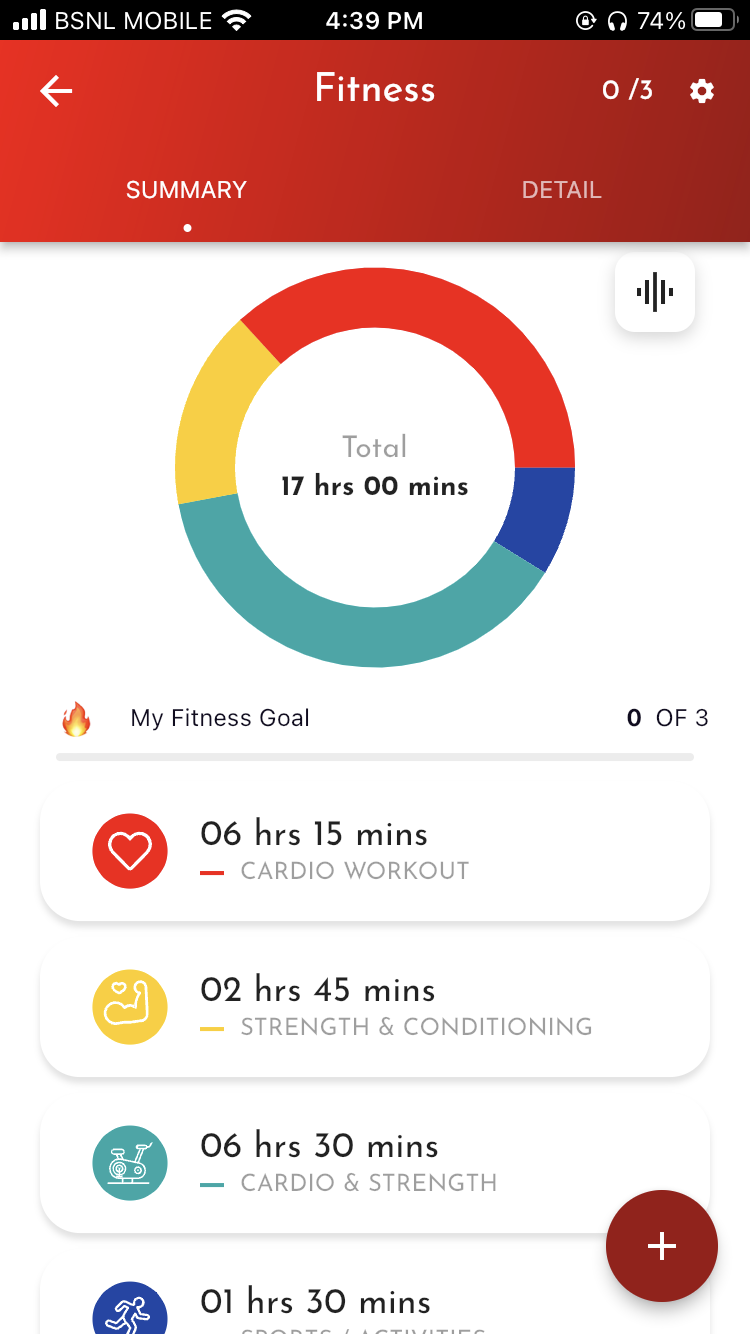
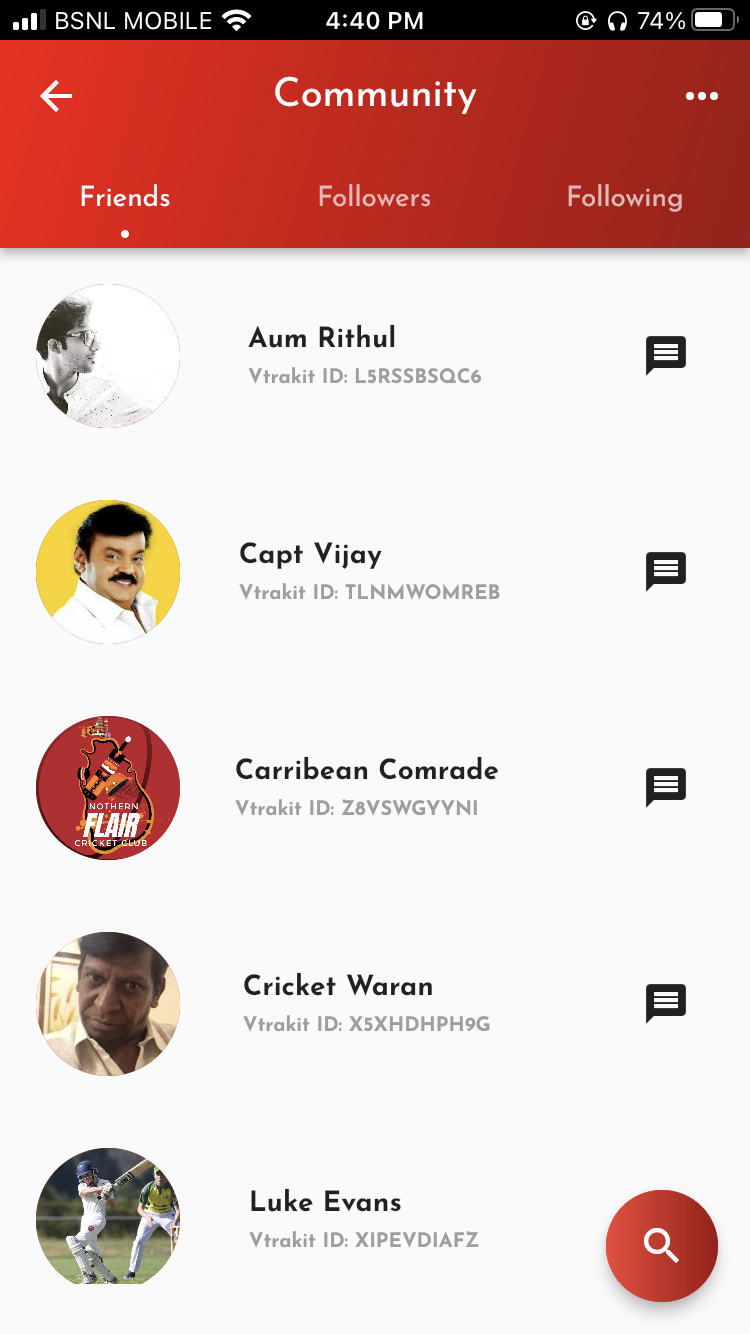
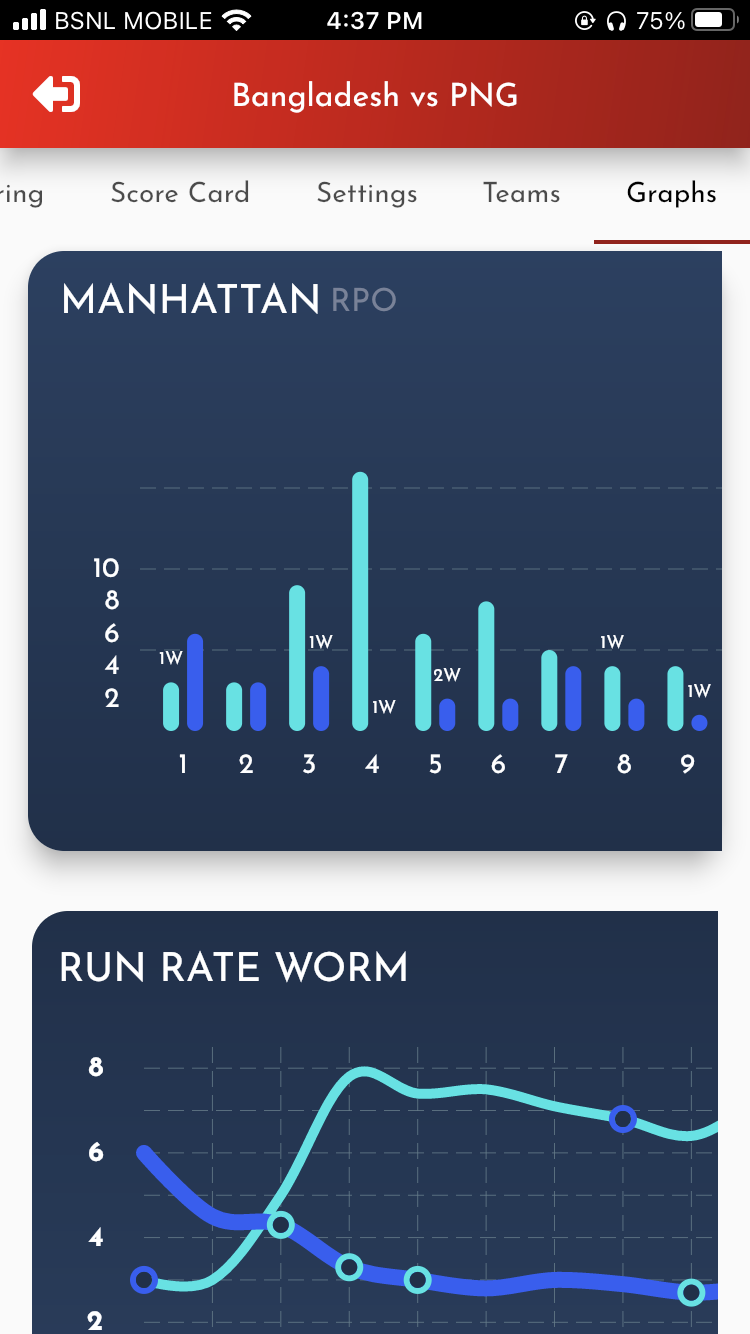
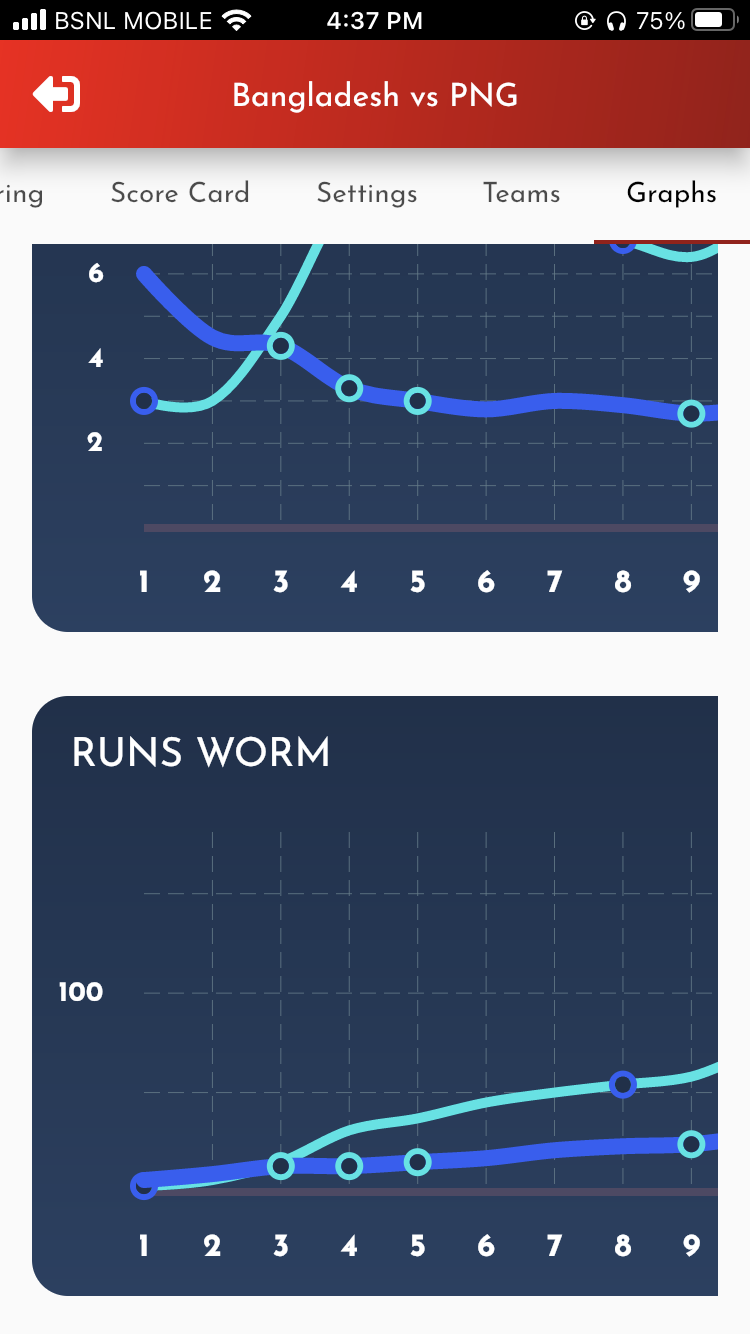
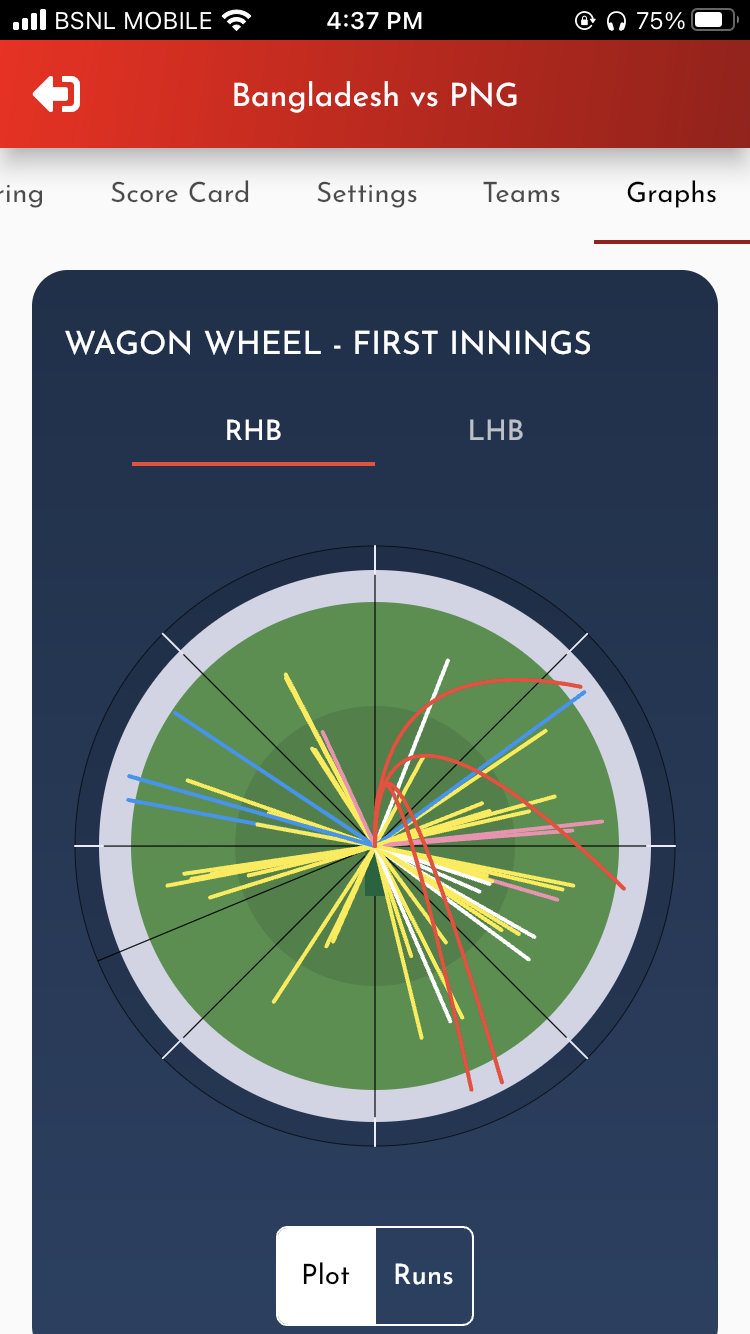
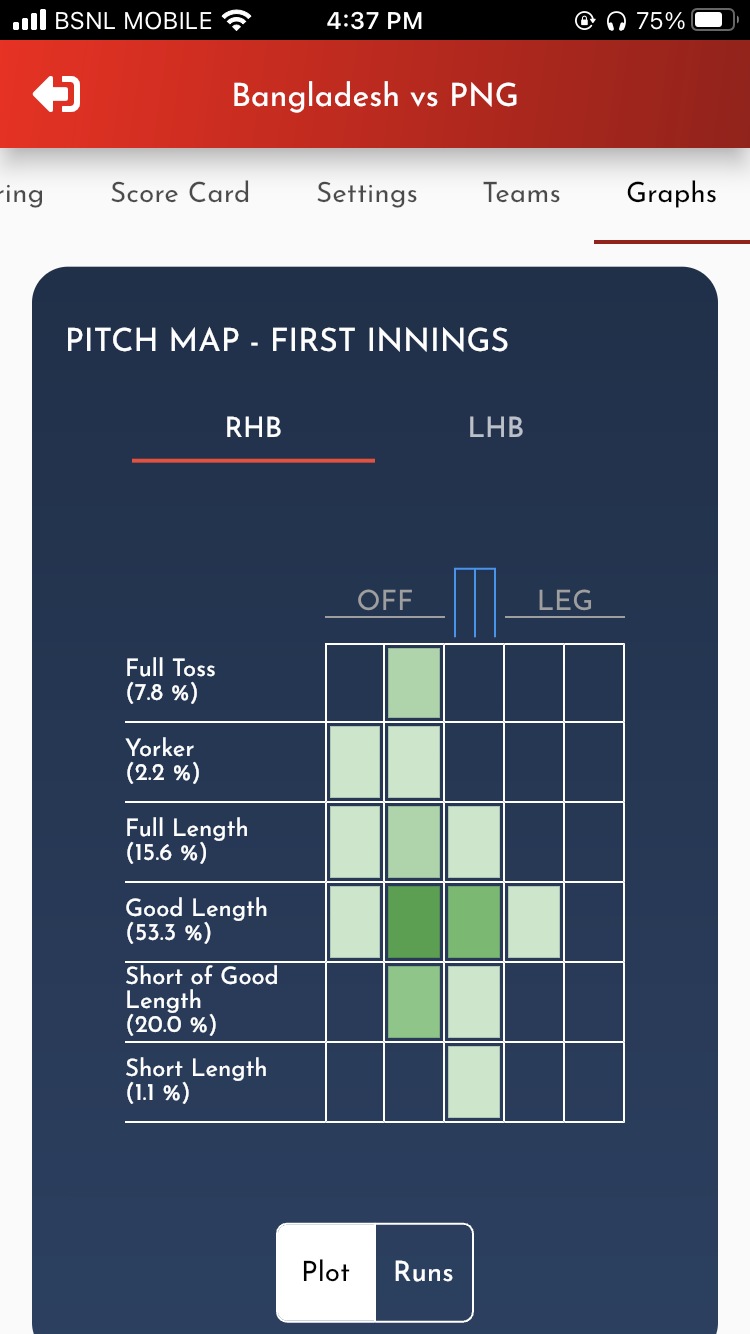
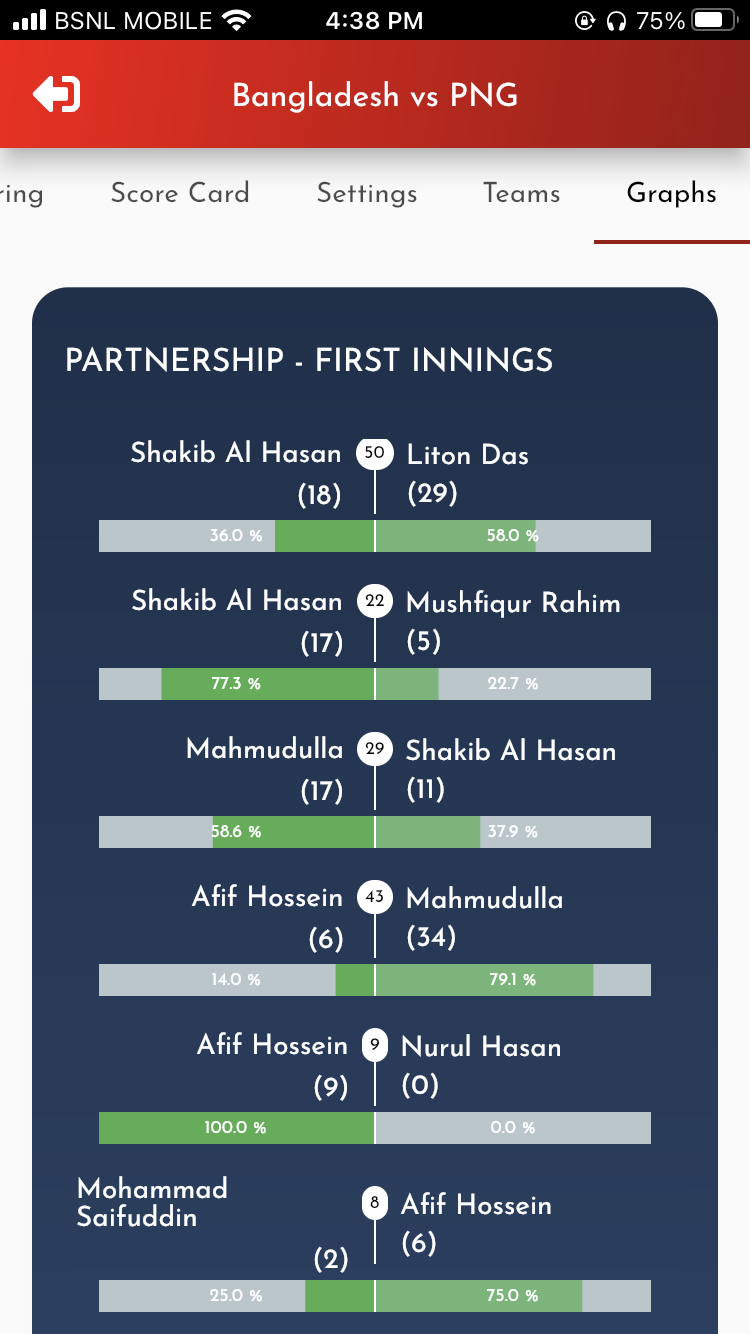
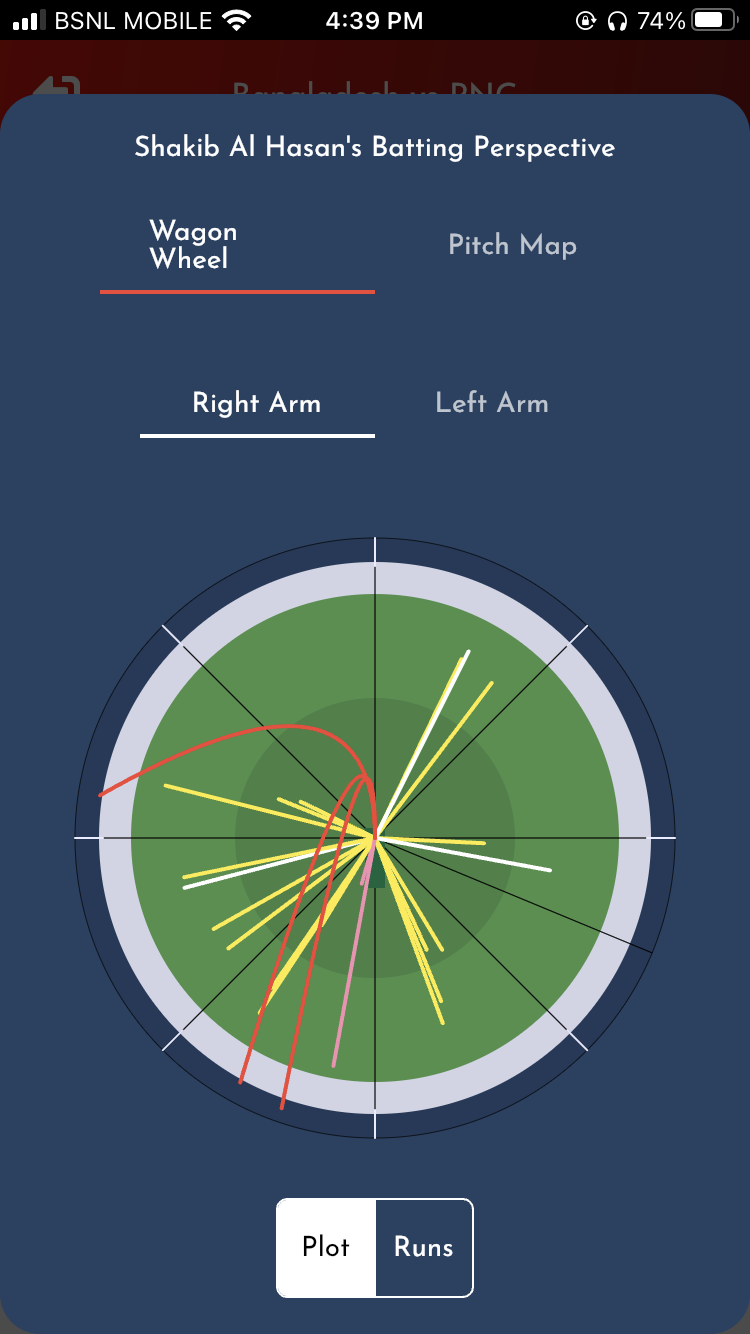
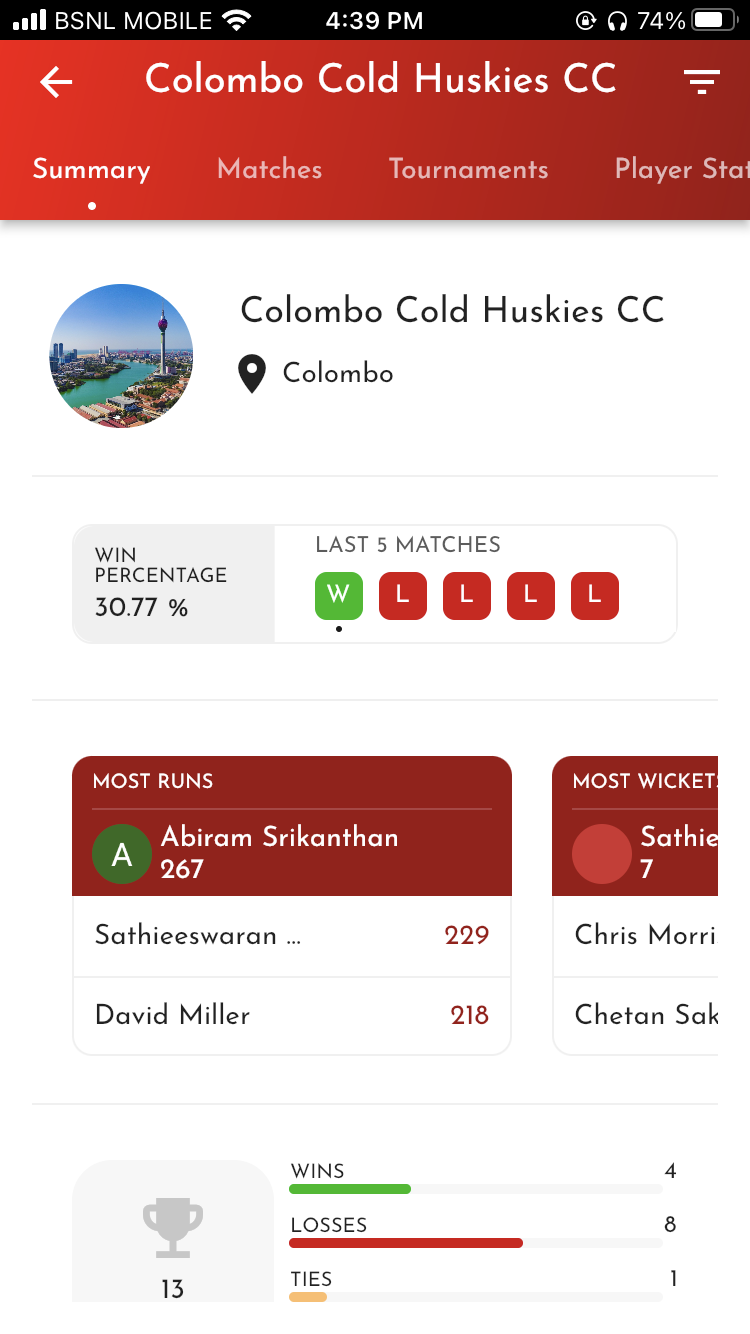
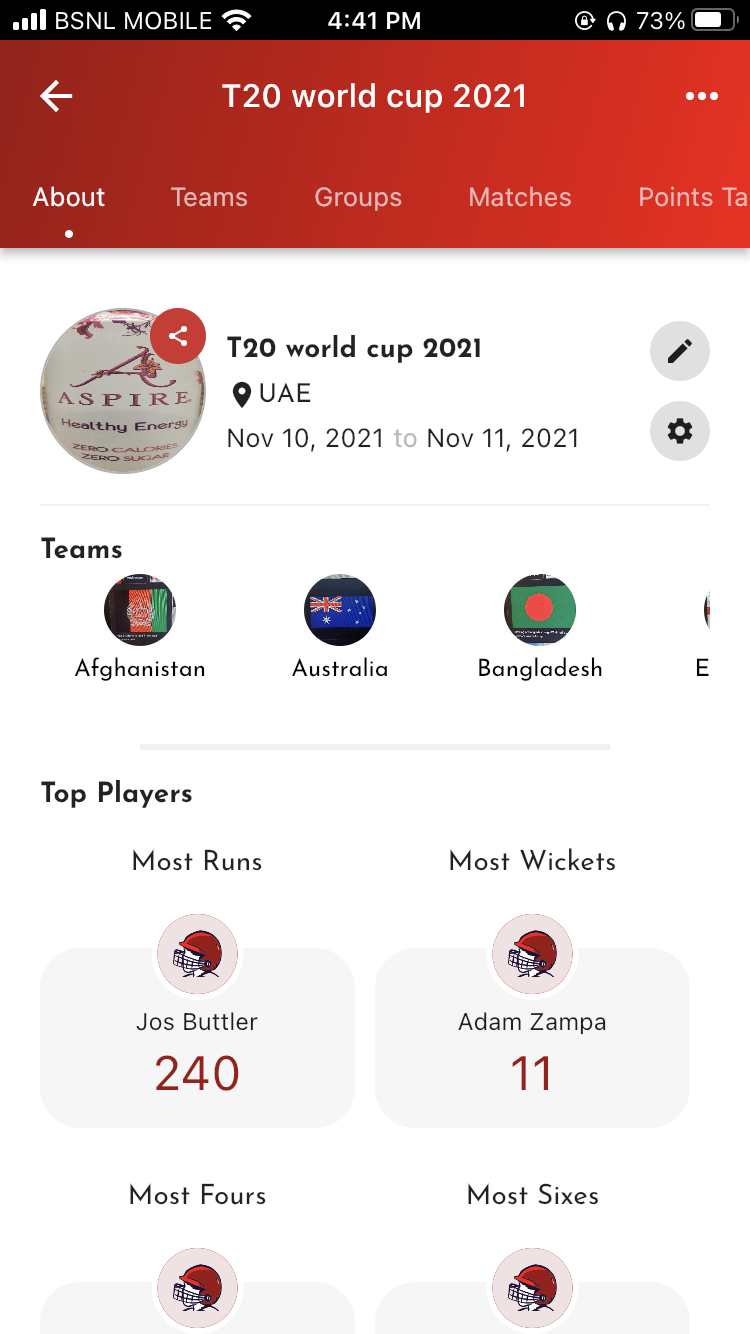

We are Vtrakit. We are about capturing and tracking every aspect of your game to help you make YOUR Cricket Count! Have a look at some of our exciting features.
This is the hour of chai and pakoras (fritters), of politics and homework. The father, who spent his day in boardrooms, now negotiates a truce between two squabbling siblings. The mother, exhausted from her own job or domestic chores, listens to her teenager’s first heartbreak while stirring a pot of dal. It is during this liminal time that the family’s daily stories emerge. There is the story of how the auto-rickshaw driver charged double, the story of a surprise test that went badly, or the story of a promotion that was almost won. These narratives are not just news; they are the emotional currency of the family.
The morning is a logistical symphony. The mother, often the CEO of the household, orchestrates a dozen tasks simultaneously: packing lunch for a son in college, preparing a specific upma for her husband’s low cholesterol, and ensuring the maid who arrives at 7 AM has the right cleaning supplies. The bathroom queue is a daily negotiation of power and patience. By 8 AM, the house empties like a tide receding, leaving behind only the lingering scent of cardamom tea and the silence of drying laundry. Imli Bhabhi Part 2 Web Series Watch Online
While the world is at work, the home transforms. The Indian kitchen is a sacred space, often considered the temple of the household. Lunch is not a grab-and-go meal; it is a ceremony of balance. A typical thali—a round platter—demands the presence of six different tastes: sweet, sour, salty, bitter, pungent, and astringent. The act of cooking, especially for the women of the house, is an act of love. Stories are exchanged over the chopping of vegetables: a memory of a wedding in Punjab, a recipe passed down from a great-grandmother, or gossip about the neighbor’s new car. This is the hour of chai and pakoras
To live in an Indian family is to understand that chaos is just love in a hurry. It is to know that no one eats until everyone is home, that a crisis is never borne alone, and that the simplest roti can taste like heaven if shared. In a rapidly globalizing world, the Indian household remains a fortress of endurance, proving that the smallest unit of society is, in fact, the strongest. The stories continue, one pressure cooker whistle at a time. It is during this liminal time that the
In joint family systems—still prevalent in many parts of India—the afternoon is also a time for unspoken hierarchies. The eldest daughter-in-law may serve everyone before eating herself. The grandfather might take his nap on the easy chair, the newspaper covering his face, while the youngest child is coaxed into eating one more bite of ghee-slathered roti. These midday hours, though quiet, are where the architecture of Indian values—respect for elders, care for the young, and the art of sharing—is silently reinforced.
Yet, the resilience is striking. Even in a one-bedroom Mumbai apartment, a family will find space to host a guest. Even in a high-rise in Bangalore, a makeshift tulsi (holy basil) plant adorns the balcony. The essence of the Indian family— Vasudhaiva Kutumbakam (the world is one family)—survives. The daily stories have merely adapted: the grandfather now sends a voice note on WhatsApp; the mother orders groceries online while cooking; the children teach their parents how to use a smartphone to pay bills.