The most striking feature of this build is its structural incompleteness. As an “ongoing” work at an early semantic version (0.0.3 suggests a pre-alpha state), the narrative embraces its own gaps. Dialogue trees break off mid-sentence. Character arcs flicker like candles in a draft. One might mistake this for amateurishness, but a closer reading suggests a deliberate thematic resonance: the protagonist, the lordling himself, does not yet know who he is. The fragmented state of the text mirrors his fractured agency. Unlike traditional bildungsromans, where growth is linear, Lordling of Hearts offers a staccato rhythm of choices—flirt, command, retreat, observe—none of which carry obvious weight, because in version 0.0.3, consequences have not yet been coded.
For now, the crown rests askew. The jester mimes his silent jokes. And the reader, mouse hovering over an unresponsive “Continue” button, must decide whether to close the window or to imagine, fiercely, what comes next. Lordling of Hearts -Ongoing- - Version- 0.0.3
Yet for all its clever instability, version 0.0.3 has genuine weaknesses. The pacing suffers from what might be called “excessive affordance”—too many choices with too little distinction. When every gesture carries the same weight (none), the player’s engagement flattens. A sharper build would introduce small, meaningful payoffs: a recalled name, a shifted allegiance, a locked door that later opens. The current version trusts the reader’s patience more than is prudent. After the third collapsed dialogue tree, even the most sympathetic co-author may grow tired of building the cathedral stone by stone. The most striking feature of this build is
Narratologically, the work borrows heavily from interactive fiction’s “unreliable architecture,” a term coined by critic Emily Short to describe works where the interface itself lies. In Lordling of Hearts , buttons labeled “Declare Truce” lead to a fight scene. The “Confess Love” option crashes the program. These are not bugs; they are features. They suggest a world where intentions cannot be reliably translated into actions—a deeply adolescent anxiety. The lordling is of hearts, not of lands or armies, meaning his domain is emotional, messy, and subject to constant misinterpretation. Character arcs flicker like candles in a draft
What emerges instead is a poetics of potential. Every unfinished scene becomes a promise. The court jester who only says, “[Dialogue pending],” is funnier than any written line could be. The love interest whose portrait is a gray placeholder rectangle becomes more desirable precisely because she is undefined. This is the genius of the 0.0.3 version: it forces the reader (or player) to co-author. We are not consuming a story; we are inhabiting a construction site. The lordling’s famous dilemma—to rule by fear or affection—becomes our dilemma: do we wait for the finished game, or do we invest emotional labor into its rough bones?
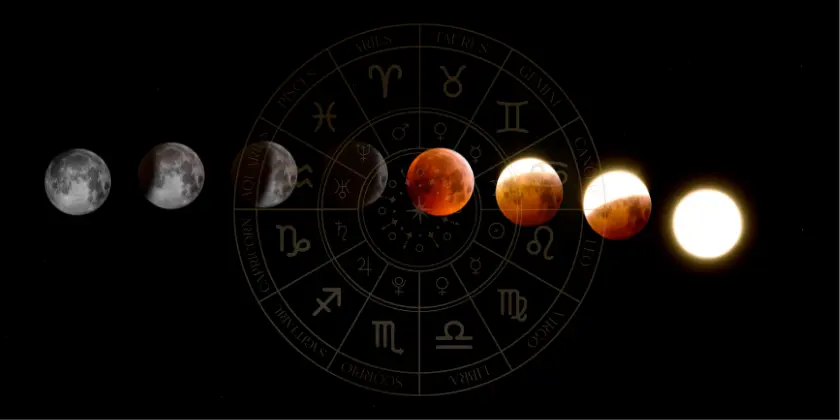 Total Lunar Eclipse : 3rd March 2026
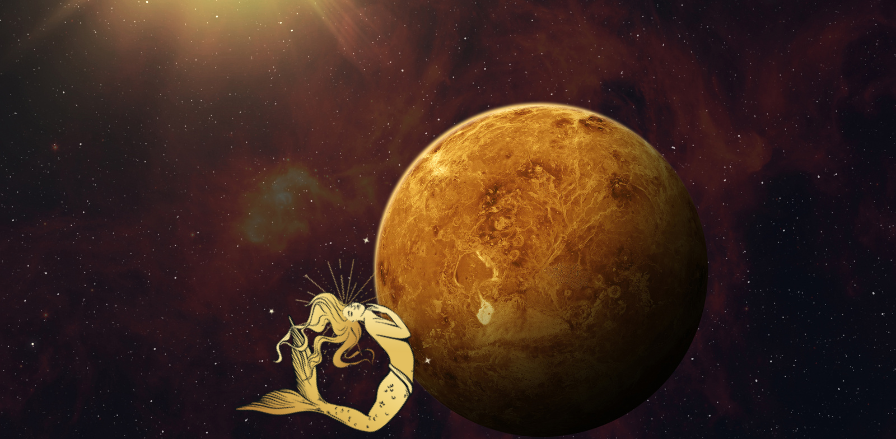 Venus Transits Pisces, 2 March 2026 till 26 March 2026
 Mercury Transit and Mercury Retrograde in Aquarius
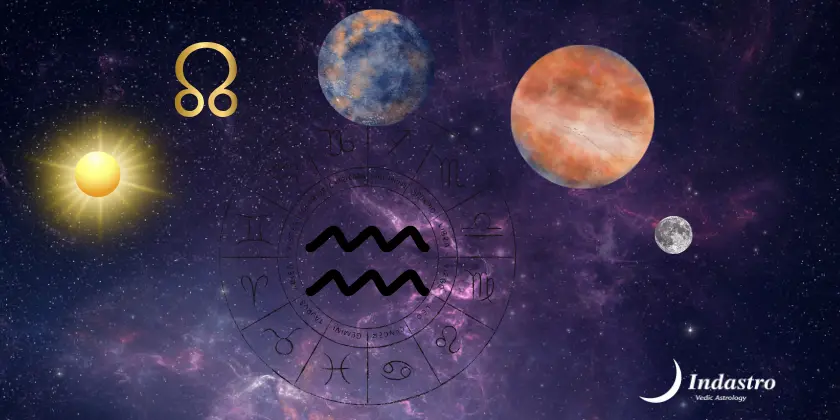 The Effect of Solar Eclipse and the 5 Planet Conjunction on 17 February 2026
 Mercury Transits Sagittarius, 29 Dec 2025 till 17 Jan 2026