
Culturally, the overlap is immense. Transgender people have shaped the lexicon of queer identity (terms like “coming out,” “chosen family,” and even the reclaiming of “queer” itself). They have been central to ballroom culture, a Black and Latinx LGBTQ subculture that gave the world voguing, “realness,” and a vocabulary for navigating oppression with spectacular flair—popularized by Paris is Burning and Pose . This culture taught generations that identity can be a performance, a survival strategy, and a masterpiece all at once.

In essence, the transgender community is not a subset within LGBTQ culture; it is a vital, dynamic core of it. Trans people offer a radical reminder that gender is not destiny, that identity is complex, and that liberation must be for everyone—not just those who conform to a neat category. LGBTQ culture, at its best, is the celebration of this very truth. And when it forgets, it is the transgender community that calls it back, insisting that no one is free until we are all free to be our authentic selves.

To understand the transgender community’s place within LGBTQ culture is to understand the very meaning of the “T” in the acronym. It is a relationship defined by profound solidarity, shared struggle, distinct identities, and an evolving dialogue about what it means to be seen and celebrated.

Today, the integration is stronger than ever, largely because the attacks on LGBTQ rights have pivoted to target trans people, especially trans youth. Bathroom bills, sports bans, and healthcare restrictions have made clear that the fight for gay rights is not separate from the fight for trans rights; they are the same fight against a system that polices gender and sexuality. Consequently, the broader LGBTQ culture has rallied. Pride parades are now emphatically trans-inclusive, displaying the Transgender Pride Flag (light blue, pink, and white) alongside the rainbow. Phrases like “Protect Trans Kids” have become unifying banners.

Yet, the relationship is not without its tensions. Historically, mainstream LGBTQ organizations and spaces have sometimes prioritized gay and lesbian rights (like marriage equality) while sidelining the more urgent, visceral needs of trans people—healthcare, housing, freedom from violence, and basic legal recognition. This has led to the rise of trans-specific activism and the powerful adage, “We will not be the ‘T’ that is silent.”

shemales fuck guys

Jeremy Willard is a Toronto-based freelance writer and editor. He's written for Fab Magazine, Daily Xtra and the Torontoist. He generally writes about the arts, local news and queer history (in History Boys, the Daily Xtra column that he shares with Michael Lyons).

Read More About:
Books, Culture, Theatre, Toronto, Arts

Keep Reading

shemales fuck guys

2025 was about finding solace in the human-made slop

AI’s got nothing on good quality dumb entertainment—and only people can make that
Alyssa Edwards out of drag writing in a notebook

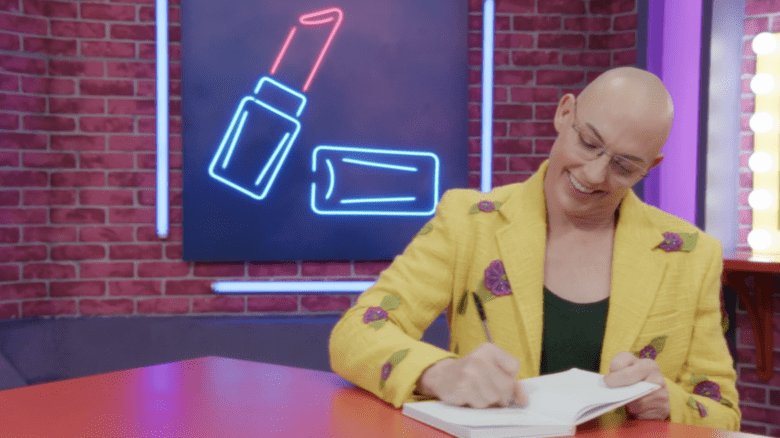
‘Canada’s Drag Race’ Season 6, Episode 4 recap: Battle it out

A fan favourite maxi-challenge from “Canada vs. The World” makes its return
Two men embracing

‘LOVING II’ uncovers a century of forbidden gay love in photos

The new collection showcases men in love from the 1850s to the 1950s
shemales fuck guys

The best queer and trans movies of 2025

Films like “Sorry, Baby” and “The Wedding Banquet” made the year worth watching

Shemales Fuck Guys May 2026

Culturally, the overlap is immense. Transgender people have shaped the lexicon of queer identity (terms like “coming out,” “chosen family,” and even the reclaiming of “queer” itself). They have been central to ballroom culture, a Black and Latinx LGBTQ subculture that gave the world voguing, “realness,” and a vocabulary for navigating oppression with spectacular flair—popularized by Paris is Burning and Pose . This culture taught generations that identity can be a performance, a survival strategy, and a masterpiece all at once.

In essence, the transgender community is not a subset within LGBTQ culture; it is a vital, dynamic core of it. Trans people offer a radical reminder that gender is not destiny, that identity is complex, and that liberation must be for everyone—not just those who conform to a neat category. LGBTQ culture, at its best, is the celebration of this very truth. And when it forgets, it is the transgender community that calls it back, insisting that no one is free until we are all free to be our authentic selves. shemales fuck guys

To understand the transgender community’s place within LGBTQ culture is to understand the very meaning of the “T” in the acronym. It is a relationship defined by profound solidarity, shared struggle, distinct identities, and an evolving dialogue about what it means to be seen and celebrated. Culturally, the overlap is immense

Today, the integration is stronger than ever, largely because the attacks on LGBTQ rights have pivoted to target trans people, especially trans youth. Bathroom bills, sports bans, and healthcare restrictions have made clear that the fight for gay rights is not separate from the fight for trans rights; they are the same fight against a system that polices gender and sexuality. Consequently, the broader LGBTQ culture has rallied. Pride parades are now emphatically trans-inclusive, displaying the Transgender Pride Flag (light blue, pink, and white) alongside the rainbow. Phrases like “Protect Trans Kids” have become unifying banners. This culture taught generations that identity can be

Yet, the relationship is not without its tensions. Historically, mainstream LGBTQ organizations and spaces have sometimes prioritized gay and lesbian rights (like marriage equality) while sidelining the more urgent, visceral needs of trans people—healthcare, housing, freedom from violence, and basic legal recognition. This has led to the rise of trans-specific activism and the powerful adage, “We will not be the ‘T’ that is silent.”