
The Best Traffic Bot and Website Automation Software
TrafficBotPro empowers you to effortlessly automate any web task and send mass traffic to websites with
ease





Earn money by clicking ads
on your website or beat
your competitors by
clicking their AD
automatically.


Join popular freelancing
platforms like Fiverr, Seo
Clerks and start selling
website traffic there and
make some money!
This is a performance of aspirational masculinity. In a socio-economic landscape where young men face intense competition for jobs, education, and social status, the dance video becomes an arena of uncontested mastery. For three minutes, the dancer is the undisputed hero of his own narrative. He is not a job-seeker or a student burdened by marks; he is a superstar commanding an invisible audience of millions. The "record" format, with its demand for flawless execution, transforms the body into a site of discipline and resistance against the chaos of everyday life.
However, the genre is not without its shadows. The pressure to produce a "record" take can lead to physical injury, as dancers repeat explosive moves on unforgiving concrete floors. Moreover, the relentless demand for new content has led to a homogenization of creativity; certain moves (like the "leg wave" or the "chest pop") become overused templates. There is also a pervasive, often unspoken, class dynamic. Dancers with access to better cameras, cleaner backgrounds (air-conditioned halls vs. dusty streets), and professional lighting gain an algorithmic advantage, subtly reintroducing the very economic barriers the genre sought to erase.
In the sprawling, chaotic, and deeply creative ecosystem of the internet, niche genres often emerge to capture the zeitgeist of a specific culture. Among the most fascinating of these in the Indian digital sphere is the "Tamil record dance video." At first glance, these videos—typically featuring a young dancer performing a high-energy, precisely choreographed routine to a popular Tamil film song, filmed in a single, unbroken take—might seem like simple amateur performances. However, a deeper look reveals them to be a complex cultural artifact, sitting at the intersection of evolving masculinity, aspirational labor, technological accessibility, and the democratization of fame.
While often apolitical on the surface, these videos are deeply embedded in Tamil identity. The choice of song is rarely random. It is usually the latest "kuthu" or "item" number—a genre of folk-infused, high-tempo music designed specifically for viral choreography. By dancing to these tracks, the performers participate in a larger project of regional cultural preservation and innovation. They reject Bollywood’s hegemony and global pop’s slickness in favor of a distinctly Dravidian, Tamil aesthetic.
TrafficBotPro is a software web automation software that allows you to hide and control your digital
fingerprint by spoofing all parameters that websites can see. By masking these settings, you can bypass
anti-fraud systems by impersonating your real internet identity.
It helps you create a large number of profiles, each with its own digital fingerprint. These profiles do not
overlap with each other, so the website cannot ban your account. This is useful for performing various tasks
on the Internet.
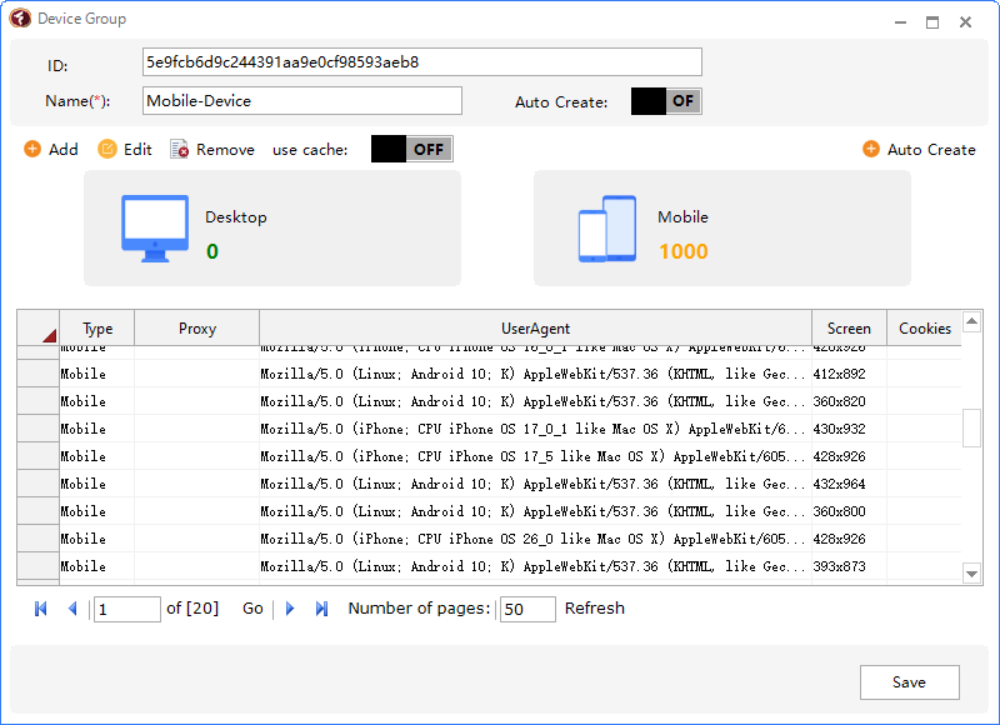
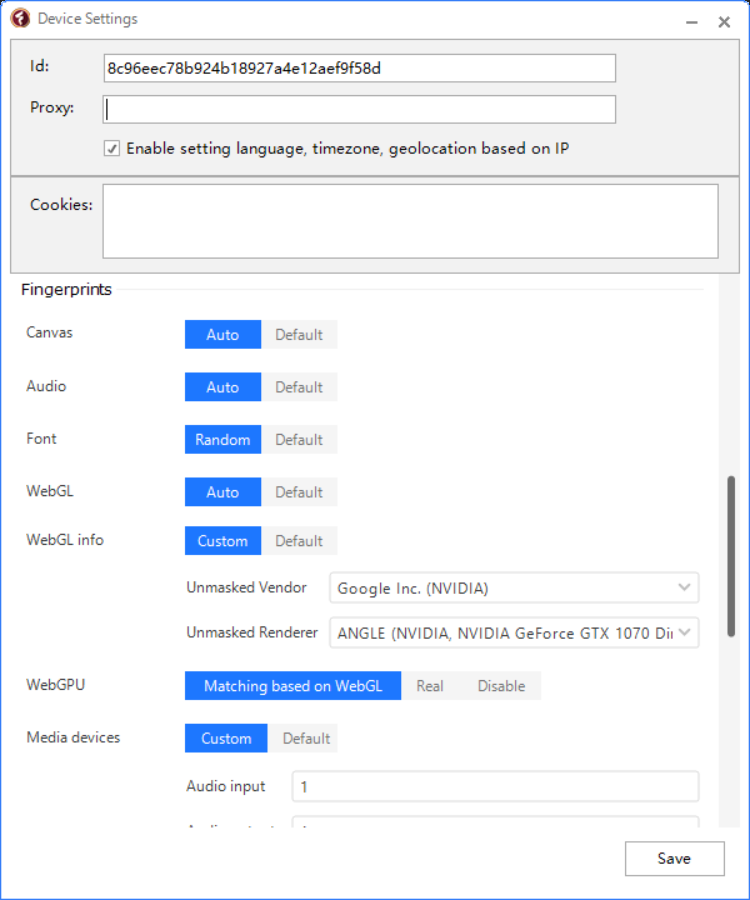
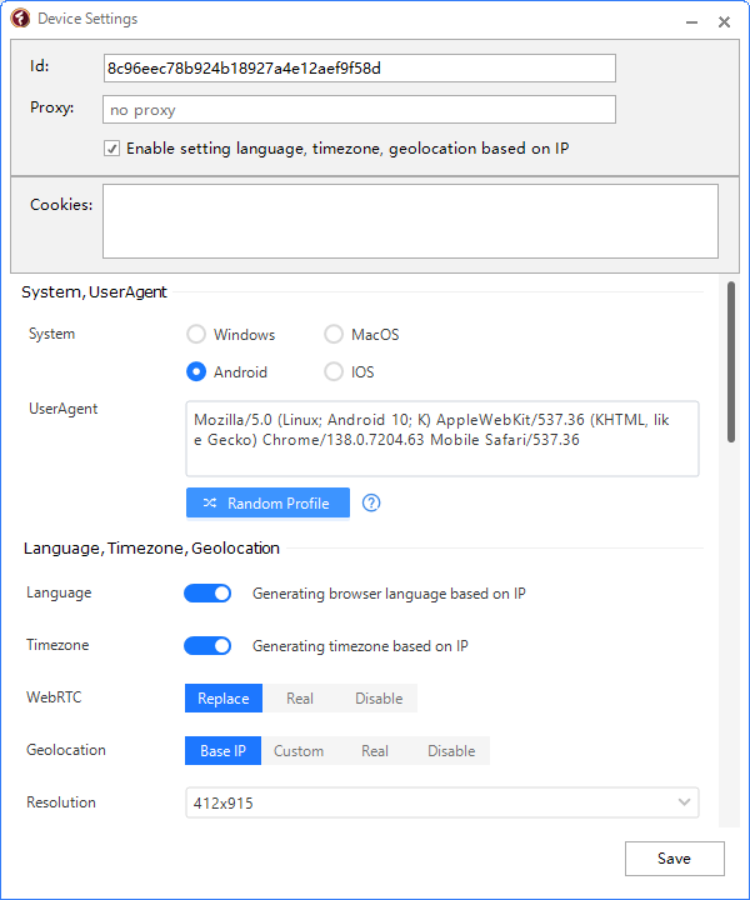

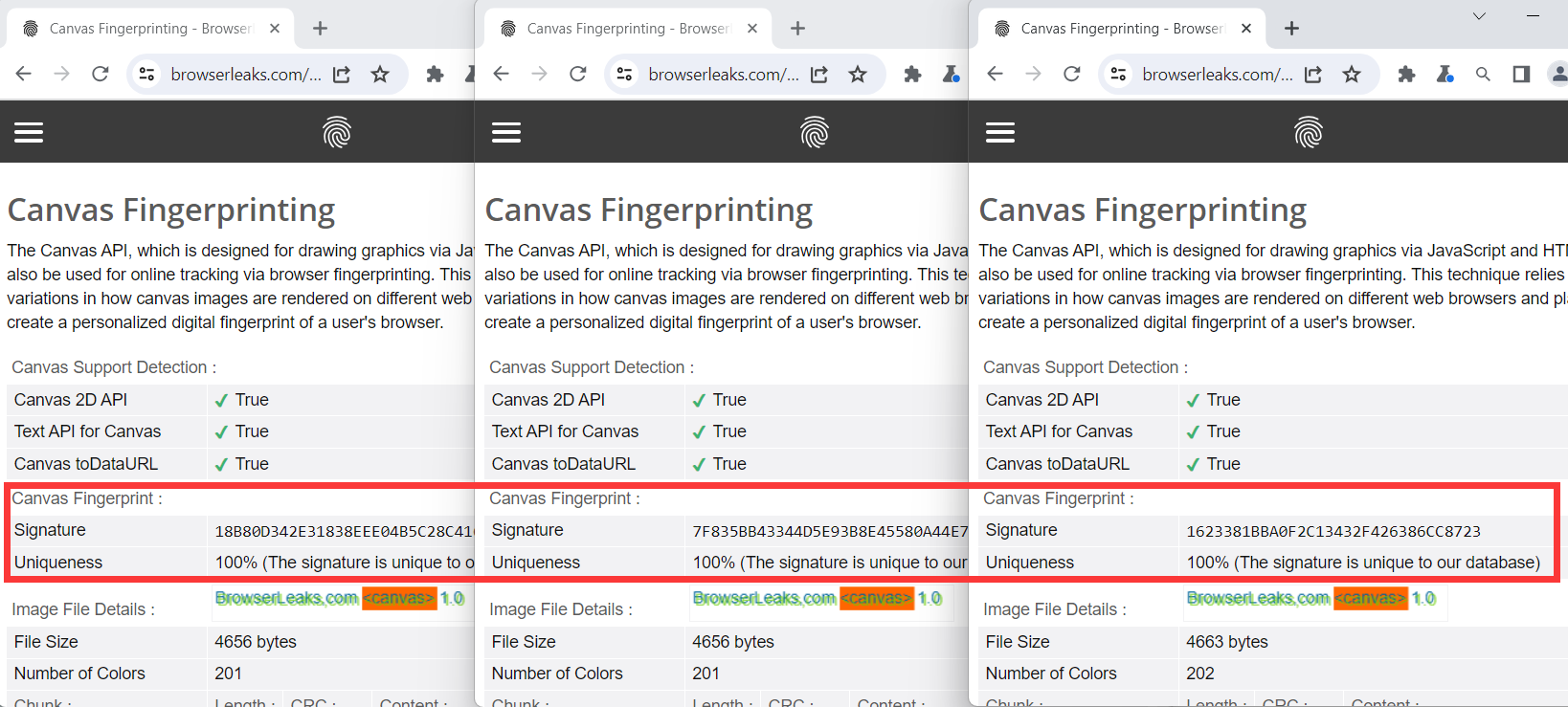
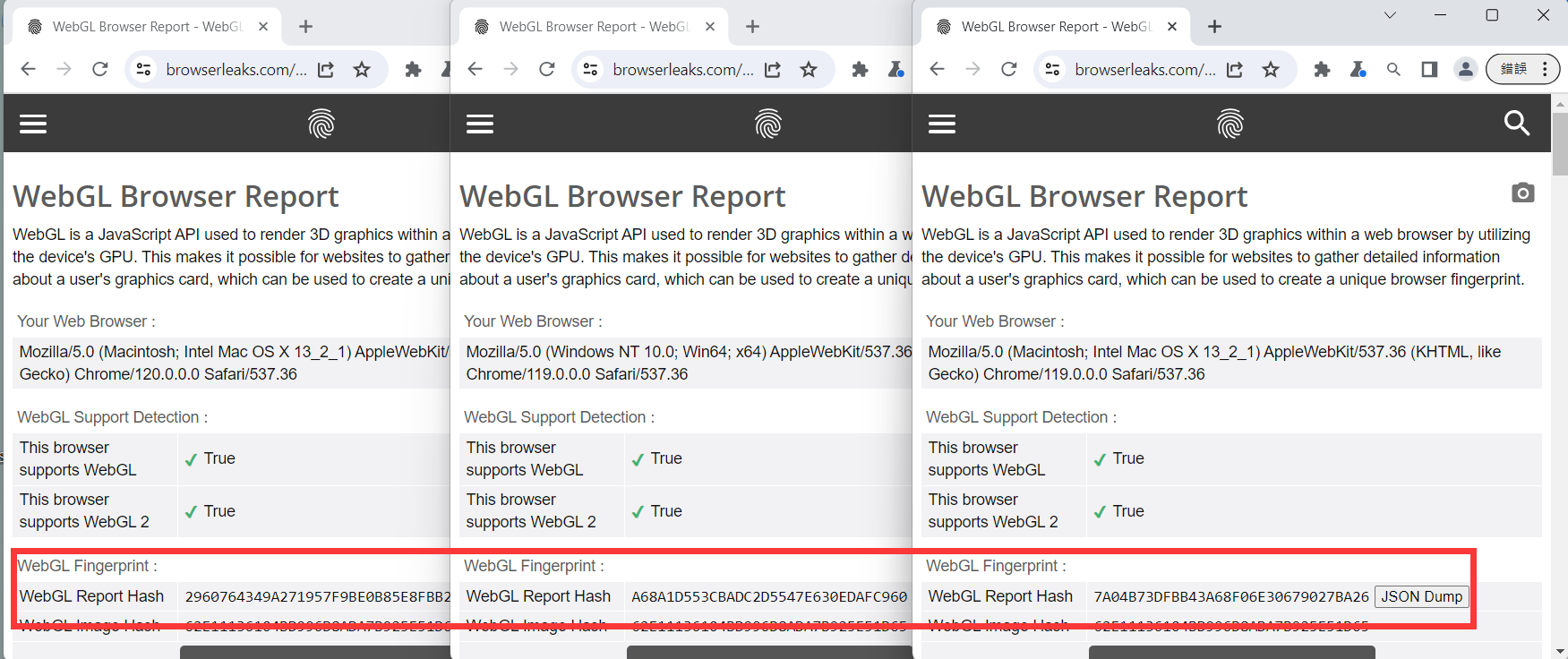
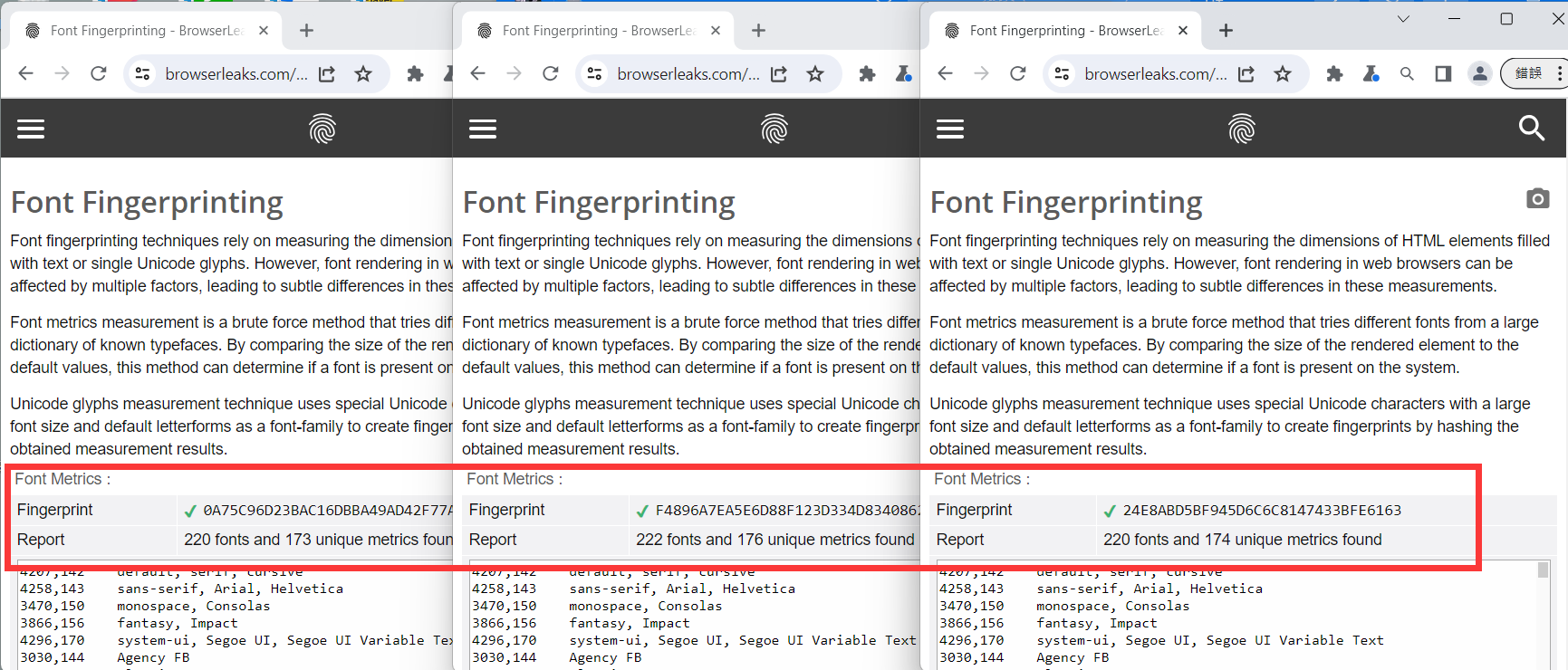
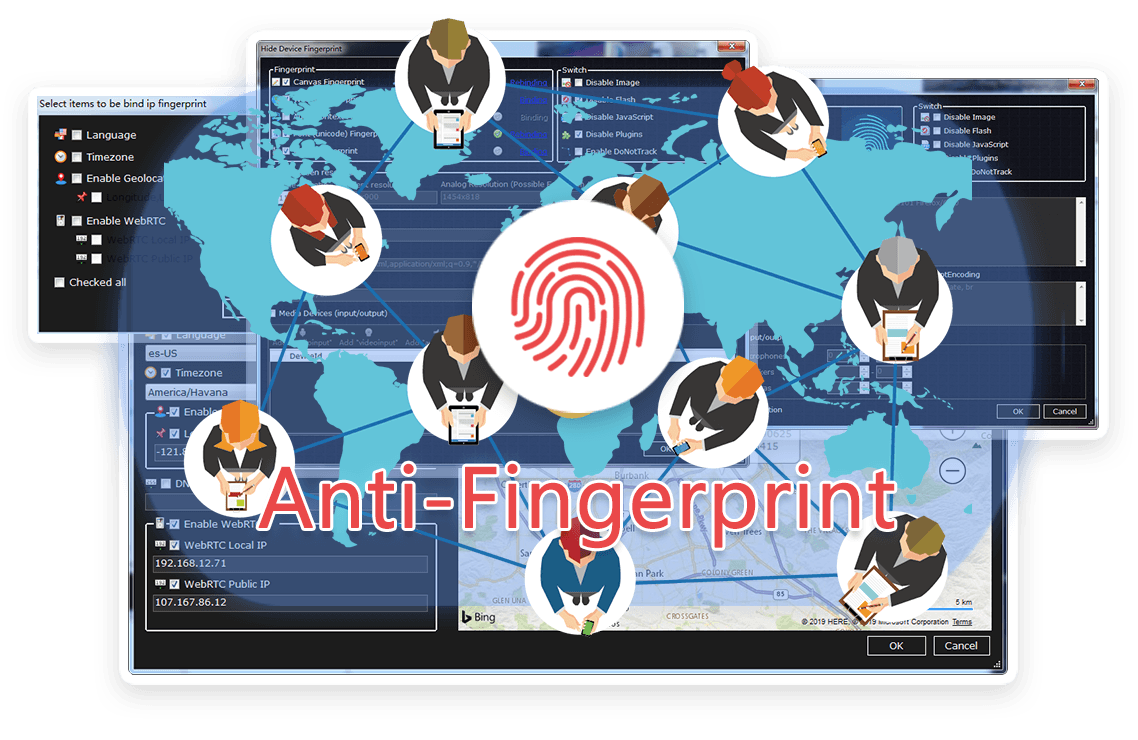
Our software approaches browser fingerprinting in a completely indigenous way. Instead of trying to prevent websites from reading your computer’s fingerprint, our software allows reading it but replaces your original fingerprint with a different one. When you use a proxy IP, our software is fully different to other software that only add a proxy to your browser to work, our software will set the timezone, language, DNS and location etc... is matched to your proxy IP, that will make you looks like a real people from the proxy IP. Our software can also generate different device fingerprint and bind different fingerprint with your accounts. Once the account is bind with proxy IP, device fingerprint and other settings, the account will use these settings all the time with all operation. That is why you can use our software to mange and operate many accounts with different proxy safely.

This is a performance of aspirational masculinity. In a socio-economic landscape where young men face intense competition for jobs, education, and social status, the dance video becomes an arena of uncontested mastery. For three minutes, the dancer is the undisputed hero of his own narrative. He is not a job-seeker or a student burdened by marks; he is a superstar commanding an invisible audience of millions. The "record" format, with its demand for flawless execution, transforms the body into a site of discipline and resistance against the chaos of everyday life.
However, the genre is not without its shadows. The pressure to produce a "record" take can lead to physical injury, as dancers repeat explosive moves on unforgiving concrete floors. Moreover, the relentless demand for new content has led to a homogenization of creativity; certain moves (like the "leg wave" or the "chest pop") become overused templates. There is also a pervasive, often unspoken, class dynamic. Dancers with access to better cameras, cleaner backgrounds (air-conditioned halls vs. dusty streets), and professional lighting gain an algorithmic advantage, subtly reintroducing the very economic barriers the genre sought to erase.
In the sprawling, chaotic, and deeply creative ecosystem of the internet, niche genres often emerge to capture the zeitgeist of a specific culture. Among the most fascinating of these in the Indian digital sphere is the "Tamil record dance video." At first glance, these videos—typically featuring a young dancer performing a high-energy, precisely choreographed routine to a popular Tamil film song, filmed in a single, unbroken take—might seem like simple amateur performances. However, a deeper look reveals them to be a complex cultural artifact, sitting at the intersection of evolving masculinity, aspirational labor, technological accessibility, and the democratization of fame.
While often apolitical on the surface, these videos are deeply embedded in Tamil identity. The choice of song is rarely random. It is usually the latest "kuthu" or "item" number—a genre of folk-infused, high-tempo music designed specifically for viral choreography. By dancing to these tracks, the performers participate in a larger project of regional cultural preservation and innovation. They reject Bollywood’s hegemony and global pop’s slickness in favor of a distinctly Dravidian, Tamil aesthetic.
Browse the latest blog posts for in-depth insights into anti-detection and online privacy. Stay up-to-date!



Submit your need here, we will check and give you reply asap.